

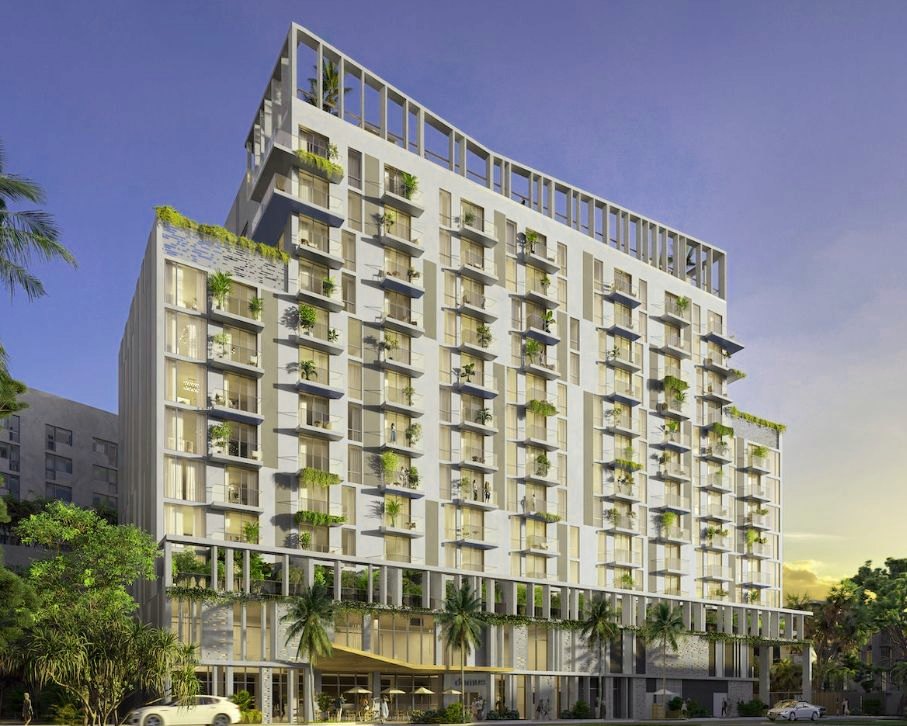
TL;DR: New Brickell Tower Project to Feature Micro Units and Affordable Housing
- The 250 SW Brickell project will feature 1,011 residential units, including micro units.
- At least 40% of the units will be designated as affordable housing.
- The project utilizes Florida’s Live Local Act to increase density and height.
- Ground floor will include retail space and parking for 269 vehicles.
- Designed by Behar Font & Partners, the tower will enhance Brickell’s skyline.
Overview of the 250 SW Brickell Project
The 250 SW Brickell project is set to transform a vacant lot in Miami’s West Brickell neighborhood into a vibrant residential community. This ambitious development will consist of a 42-story tower featuring a total of 1,011 residential units, which will include a diverse range of housing options such as studios, one-bedroom, two-bedroom, alcove, and micro units. The project aims to address the growing demand for affordable housing in the area while also contributing to the urban landscape of Brickell.
The site spans approximately 44,865 square feet (1.03 acres) and is strategically located at the intersection of Southwest Seventh Street and Southwest Third Avenue. The development is positioned to benefit from high foot traffic and accessibility, making it an attractive option for residents and businesses alike. The Urban Development Review Board has already recommended approval for the project, emphasizing its potential to enhance the neighborhood.
The design of the tower, crafted by Behar Font & Partners, promises to create a striking visual presence in the Brickell skyline. The architectural narrative describes a slender vertical landmark that will serve as a focal point at the convergence of Brickell’s commercial corridor and its residential areas. The project is not only about providing housing; it aims to create a community hub with ground floor retail spaces that will cater to the needs of residents and visitors.
Residential Units and Housing Options
Types of Units Available
The residential component of the 250 SW Brickell project will include a variety of unit types to cater to different demographics and income levels. The inclusion of micro units is particularly noteworthy, as these smaller living spaces are designed to maximize efficiency and affordability. The breakdown of the units is as follows:
| Unit Type | Number of Units |
|---|---|
| Studios | TBD |
| One-Bedroom | TBD |
| Two-Bedroom | TBD |
| Alcove Units | TBD |
| Micro Units | TBD |
The exact number of each type of unit is still being finalized, but the emphasis on micro units aligns with current trends in urban living, where space efficiency is increasingly valued.
Affordable Housing Commitment
A significant aspect of the 250 SW Brickell project is its commitment to affordable housing. Under the guidelines of Florida’s Live Local Act, the developer has pledged that at least 40% of the residential units—approximately 405 units—will be reserved for residents earning up to 120% of the Area Median Income (AMI). This commitment is crucial in addressing the housing affordability crisis that many urban areas face today.
The affordable units will be available for a minimum of 30 years, ensuring long-term accessibility for low- and moderate-income families. This initiative not only supports the community’s housing needs but also contributes to the overall diversity and inclusivity of the Brickell neighborhood.
Utilization of the Live Local Act
The Live Local Act, enacted by the state of Florida, is designed to incentivize the development of affordable housing in urban areas. The 250 SW Brickell project is leveraging this legislation to enhance its density and height beyond what is typically permitted under existing zoning regulations. By committing to affordable housing, the project qualifies for additional benefits, allowing for a more substantial development that meets the pressing needs of the community.
This strategic use of the Live Local Act reflects a broader trend in urban development, where municipalities are increasingly recognizing the importance of integrating affordable housing into new projects. The act aims to foster sustainable growth while ensuring that housing remains accessible to a diverse population.
Site Details and Development Plans
Location and Size of the Site
The 250 SW Brickell project is located at 250 and 296 SW Seventh Street, a prime area within Miami’s bustling Brickell neighborhood. The site is currently vacant and spans approximately 44,865 square feet, or 1.03 acres. Its strategic location provides excellent visibility and accessibility, making it an ideal spot for a mixed-use development.
The site is bordered by commercial properties to the south and surface parking to the east, positioning it within a vibrant urban context. The proximity to major thoroughfares and public transportation options further enhances its appeal, ensuring that residents will have easy access to the amenities and services they need.
Parking and Retail Facilities
The development plan includes parking for 269 vehicles, which will be designed to minimize visual and operational impacts on the pedestrian realm. This thoughtful approach to parking aligns with the project’s overall goal of creating a pedestrian-friendly environment.
In addition to residential units, the ground floor of the tower will feature retail spaces that cater to the needs of residents and visitors alike. This integration of retail into the residential development is intended to foster a sense of community and encourage foot traffic, contributing to the vibrancy of the Brickell neighborhood.
Design and Architectural Features
The architectural design of the 250 SW Brickell project is characterized by its modern aesthetic and thoughtful integration into the urban landscape. The tower will feature a slender profile that rises gracefully above the surrounding buildings, creating a striking visual landmark in the Brickell skyline.
The design includes a curved façade band at the northwest corner, which serves as a sculptural element that softens the building’s presence within the urban grid. The podium of the building will rise eight stories, wrapping around the parking structure and ensuring that residential units are visible from the street. This design choice aims to create an active and inhabited façade, enhancing the pedestrian experience.
The project will also incorporate extensive amenities, including a comprehensive amenity deck on the ninth level. This elevated space will feature a pool area surrounded by tropical landscaping, cabanas, BBQ zones, co-working lounges, and fitness facilities, providing residents with a range of options for leisure and recreation.
Community Impact and Urban Development
The 250 SW Brickell project is poised to have a significant impact on the local community and the broader urban landscape of Miami. By introducing a substantial number of residential units, including affordable housing options, the project addresses the critical need for diverse housing solutions in an area experiencing rapid growth.
The integration of retail spaces and community amenities further enhances the project’s potential to foster a sense of community and encourage social interaction among residents. This approach aligns with contemporary urban development principles that prioritize walkability, accessibility, and the creation of vibrant public spaces.
Moreover, the project’s commitment to sustainability and responsible urban development reflects a growing awareness of the importance of creating livable, inclusive communities. As Miami continues to evolve, developments like 250 SW Brickell will play a crucial role in shaping the future of urban living in the city.
Approval Process and Future Steps
The approval process for the 250 SW Brickell project has already made significant progress, with the Urban Development Review Board recommending approval of the project. The next steps will involve finalizing design details and obtaining the necessary permits before construction can commence.
The developer, represented by attorney Brian Dombrowski, has expressed confidence in the project’s potential to meet the needs of the community while adhering to regulatory requirements. As the project moves forward, ongoing engagement with local stakeholders and residents will be essential to ensure that the development aligns with the community’s vision for the future.
Conclusion and Expectations for the Project
The 250 SW Brickell project represents a significant step forward in addressing the housing challenges facing Miami’s urban core. With its commitment to affordable housing, diverse residential options, and community-oriented design, the project is well-positioned to make a positive impact on the Brickell neighborhood.
As construction progresses, stakeholders and residents alike will be watching closely to see how this ambitious development unfolds. The successful implementation of the project could serve as a model for future urban developments in Miami and beyond, demonstrating the potential for innovative solutions to the housing crisis.
Conclusion: The Future of Urban Living in Brickell
The Impact of Micro Units on Urban Housing
Micro units are increasingly recognized as a viable solution to urban housing challenges, particularly in high-demand areas like Brickell. By offering smaller, more affordable living spaces, developments like the 250 SW Brickell project can help alleviate some of the pressure on the housing market while providing residents with a unique and efficient living experience.
Sustainability and Community Integration
The 250 SW Brickell project is not only focused on providing housing but also on fostering a sense of community and sustainability. By integrating retail spaces, community amenities, and a commitment to affordable housing, the project aims to create a vibrant urban environment that meets the needs of residents while contributing to the overall health and vitality of the Brickell neighborhood.