

TL;DR: Metromover Extension Cost Doubles for Cross-Bay Transit in Miami
- The cost to extend the Metromover for cross-bay transit has doubled.
- Miami Beach officials express concerns over zoning and outdated technology.
- The proposed Baylink transit line faces significant financial barriers.
- Miami-Dade County has shifted focus from a monorail to the Metromover for transit solutions.
- Public response highlights a mix of support and skepticism regarding the project.
Overview of the Metromover Extension Project
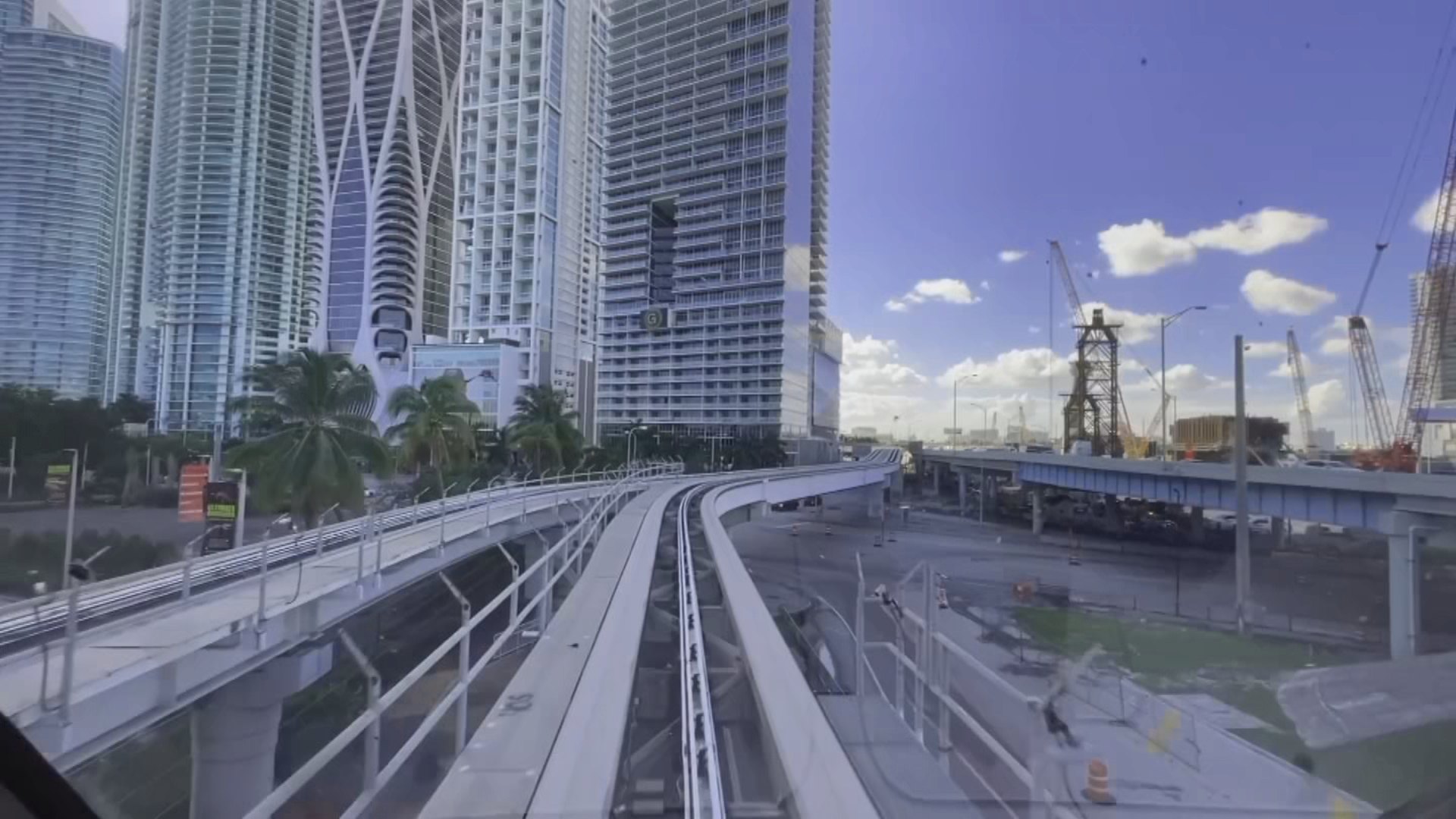
The Metromover, an automated people mover system in Miami, has been a staple of the city’s public transit since its inception in 1986. The extension project aims to connect Miami Beach with downtown Miami, addressing long-standing transit gaps and enhancing connectivity for residents and tourists alike. This project is particularly significant as it seeks to alleviate traffic congestion and provide a reliable transportation alternative across Biscayne Bay.
The proposed extension is not merely about adding more tracks; it involves comprehensive upgrades to the existing Metromover infrastructure, which has seen service disruptions due to aging systems. The Miami-Dade County Department of Transportation and Public Works (DTPW) is spearheading these upgrades, which include enhancements to the Automatic Train Control System and the Central Control equipment. These improvements are designed to ensure the Metromover can handle increased ridership and provide a more reliable service.
Despite the potential benefits, the project has faced scrutiny over its escalating costs and the implications for local zoning regulations. As the project progresses, Miami Beach officials have raised concerns about the compatibility of the Metromover with existing urban planning frameworks and the technology employed in the system.
Doubling of Costs for the Metromover Extension
The estimated cost for the Metromover extension has recently doubled, raising alarms among stakeholders and residents. Initially projected at approximately $152 million, the costs have surged to over $300 million. This dramatic increase can be attributed to several factors, including inflation, rising construction costs, and the need for advanced technology to ensure safety and reliability.
As the project evolves, the financial implications extend beyond mere construction expenses. The doubling of costs raises questions about funding sources and the potential for budget overruns, which could impact other transit initiatives within Miami-Dade County. The DTPW has indicated that a portion of the funding will come from federal grants, but the reliance on local tax revenues has also sparked debate among community members regarding fiscal responsibility.
The financial strain is particularly concerning given the backdrop of other transit projects in the region, such as the proposed Baylink transit line, which is also grappling with significant cost escalations. As Miami-Dade County navigates these challenges, the future of the Metromover extension remains uncertain.
Concerns from Miami Beach Regarding Zoning and Technology
Miami Beach officials have expressed significant concerns regarding the Metromover extension, particularly in relation to zoning preemptions and the technology utilized in the project. The integration of the Metromover into the existing urban fabric of Miami Beach poses challenges, as the area is known for its unique zoning regulations aimed at preserving its character and managing development.
The potential for zoning preemptions raises fears that the extension could lead to overdevelopment or changes in land use that may not align with the community’s vision. Local leaders are advocating for a thorough review of the project’s impact on zoning laws to ensure that the extension does not compromise the integrity of Miami Beach.
Additionally, there are apprehensions about the technology employed in the Metromover system. Critics argue that the existing technology is outdated and may not meet the demands of a growing population. As the project moves forward, stakeholders are calling for the adoption of more modern transit solutions that prioritize safety, efficiency, and environmental sustainability.
Impact of Cost Increases on the Proposed Baylink Transit Line
The doubling of costs for the Metromover extension has significant implications for the proposed Baylink transit line, which aims to connect Miami Beach with the mainland. As financial resources become increasingly strained, the viability of the Baylink project is in jeopardy. The Baylink line was envisioned as a critical component of Miami’s transit network, providing an alternative to vehicular traffic and enhancing connectivity for residents and visitors.
However, with the Metromover extension’s costs ballooning, there are concerns that funding for Baylink may be deprioritized or delayed. The potential for budget overruns on the Metromover project could siphon resources away from Baylink, leaving it vulnerable to further postponements.
Moreover, the rising costs have prompted discussions about the need for innovative funding solutions, including public-private partnerships and federal grants. As Miami-Dade County grapples with these financial challenges, the future of both the Metromover extension and the Baylink transit line hangs in the balance.
Comparison of Original and Current Cost Estimates
The original cost estimates for the Metromover extension have undergone significant revisions, reflecting the complexities of urban transit projects. Initially, the project was estimated to cost around $152 million. However, current projections indicate that the total cost could exceed $300 million, effectively doubling the initial estimate.
| Cost Estimate | Original Estimate | Current Estimate |
|---|---|---|
| Total Cost | $152 million | $300 million |
| Funding Sources | Federal grants, local taxes | Federal grants, local taxes |
| Project Scope | Basic extension | Comprehensive upgrades and extensions |
This table illustrates the stark contrast between the original and current cost estimates for the Metromover extension.
The increase in costs can be attributed to several factors, including inflation, increased labor costs, and the need for advanced safety technologies. As the project progresses, stakeholders are closely monitoring these financial developments, as they could have far-reaching implications for Miami’s public transit infrastructure.
Miami-Dade County’s Shift from Monorail to Metromover
In a significant policy shift, Miami-Dade County has opted to pursue the Metromover extension instead of a previously proposed monorail system. This decision was influenced by a variety of factors, including cost considerations and the desire for a more integrated transit solution.
The monorail project was initially estimated to cost around $1.3 billion, but rising operational costs and concerns about its feasibility led county officials to reconsider. The Metromover, on the other hand, was seen as a more economical option that could provide seamless connectivity between Miami and Miami Beach.
Mayor Daniella Levine Cava emphasized the importance of providing residents with innovative transit solutions that maximize value for taxpayers. The decision to pivot to the Metromover reflects a broader trend in public transit planning, where cities are increasingly prioritizing cost-effective and efficient solutions over more expensive alternatives.
Future Implications for Public Transit in Miami
The doubling of costs for the Metromover extension raises important questions about the future of public transit in Miami. As the city grapples with rising expenses, the implications for other transit initiatives become increasingly pronounced. The financial strain on the Metromover project could lead to delays or reductions in funding for other critical transit projects, including the Baylink line and potential expansions of existing services.
Moreover, the challenges faced by the Metromover extension could serve as a cautionary tale for future transit projects in Miami. Stakeholders are advocating for a more strategic approach to transit planning, emphasizing the need for comprehensive cost assessments and community engagement to ensure that projects align with the needs and priorities of residents.
As Miami continues to grow, the demand for reliable and efficient public transit will only increase. The decisions made today regarding the Metromover extension will have lasting implications for the city’s transit landscape, shaping the way residents and visitors navigate the region for years to come.
Public Response and Stakeholder Reactions
The public response to the doubling of costs for the Metromover extension has been mixed, with a range of opinions from stakeholders and community members. Some residents express support for the project, viewing it as a necessary step towards improving transit connectivity and reducing traffic congestion. They argue that investing in public transit is essential for the long-term sustainability of Miami as a vibrant urban center.
Conversely, others have voiced concerns about the rising costs and the potential for budget overruns. Critics argue that the financial implications of the project could divert funds from other essential services and infrastructure improvements. Community leaders are calling for greater transparency in the budgeting process and increased public engagement to ensure that residents have a voice in the decision-making process.
“We need to ensure that our transit investments reflect the needs of our community and do not compromise our financial stability.”
— Local community leader
As the Metromover extension project progresses, ongoing dialogue between stakeholders, community members, and local officials will be crucial in addressing concerns and ensuring that the project meets its intended goals.
The Future of Miami’s Metromover: Challenges and Opportunities
Understanding the Cost Dynamics of Transit Projects
The challenges faced by the Metromover extension highlight the complexities of funding and managing large-scale transit projects. As costs continue to rise, understanding the underlying dynamics that contribute to these increases will be essential for future planning. Stakeholders must prioritize transparency and accountability in budgeting processes to build public trust and ensure that resources are allocated effectively.
The Role of Public Engagement in Transit Development
Public engagement is a critical component of successful transit development. As the Metromover extension moves forward, involving community members in the decision-making process will be essential for addressing concerns and ensuring that the project aligns with the needs of residents. Open forums, public meetings, and outreach initiatives can help foster dialogue and build consensus around transit initiatives.
Technological Innovations and Their Impact on Transit Costs
As transit technology continues to evolve, incorporating innovative solutions can help mitigate rising costs and enhance service reliability. Investing in modern systems and infrastructure will be crucial for ensuring that the Metromover extension meets the demands of a growing population while providing a safe and efficient transit experience.
Navigating Zoning and Regulatory Challenges
The complexities of zoning and regulatory frameworks present significant challenges for transit projects. As Miami Beach officials express concerns about zoning preemptions, finding a balance between development and community preservation will be essential. Collaborative efforts between local governments, transit agencies, and community stakeholders can help navigate these challenges and ensure that transit initiatives align with broader urban planning goals.
The Importance of Sustainable Transit Solutions
As Miami grapples with rising costs and transit challenges, prioritizing sustainable solutions will be crucial for the city’s long-term viability. Investing in public transit not only enhances connectivity but also contributes to environmental sustainability by reducing reliance on personal vehicles. As the Metromover extension progresses, emphasizing sustainable practices will be essential for creating a resilient and efficient transit network.
In conclusion, the doubling of costs for the Metromover extension underscores the complexities of urban transit development in Miami. As stakeholders navigate these challenges, the future of public transit in the region will depend on strategic planning, community engagement, and a commitment to sustainable solutions.