

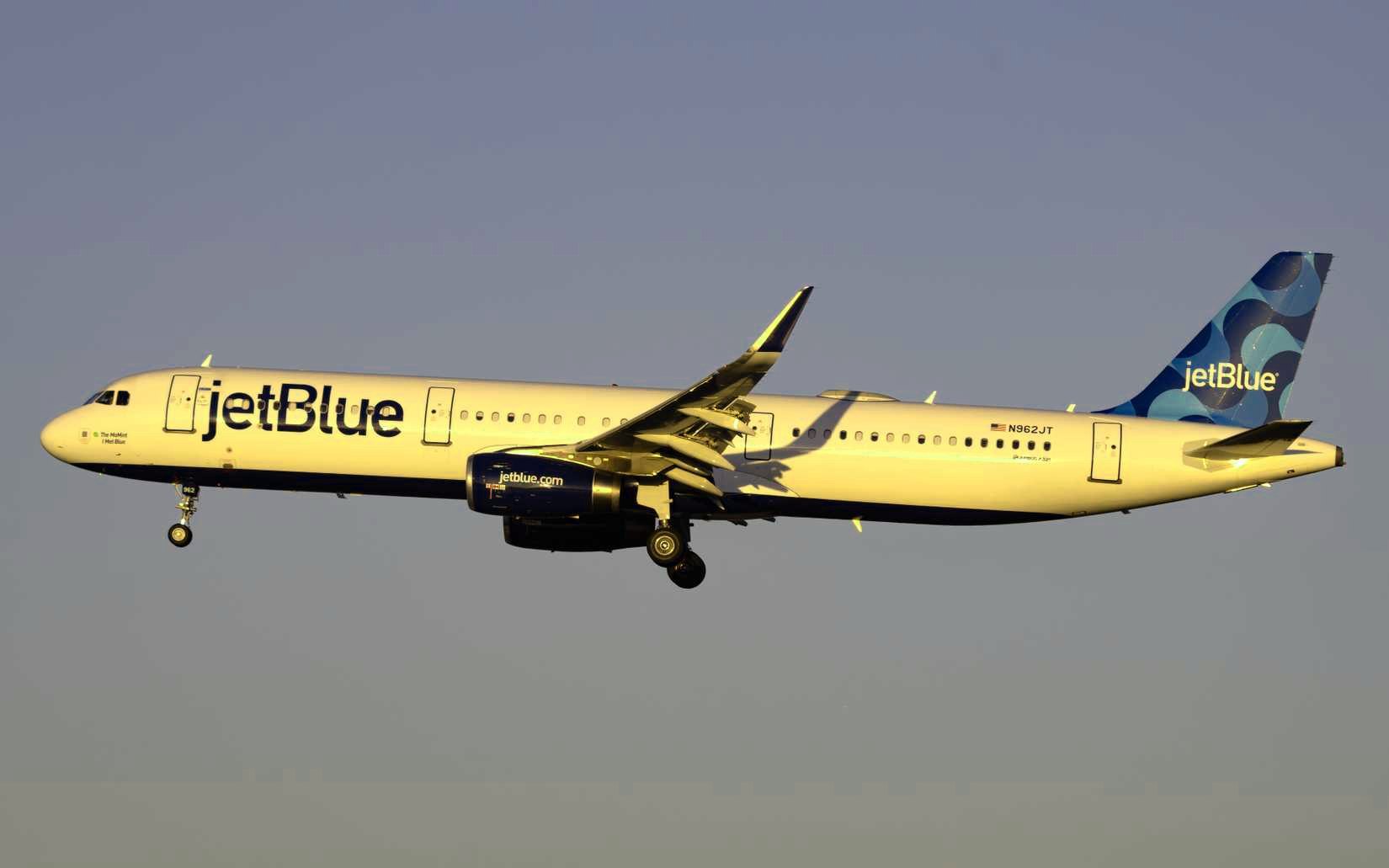
TL;DR: JetBlue to Cease Miami Flights in September 2025
- JetBlue will end its Miami operations in September 2025.
- The decision impacts travelers and regional airports significantly.
- Fuel efficiency innovations are being explored in aircraft design.
- Industry experts provide insights on the implications for airlines and travelers.
- The airline landscape in South Florida is evolving with key players adjusting strategies.
JetBlue’s Decision to End Miami Operations
JetBlue Airways has announced its decision to cease operations at Miami International Airport (MIA) starting September 2025. This move comes as part of a broader strategy to streamline operations and focus on more profitable routes. The airline has faced challenges in maintaining a competitive edge in the saturated South Florida market, where it competes with major carriers like American Airlines and Spirit.
The decision to withdraw from Miami is not taken lightly, as it affects a significant number of travelers who rely on JetBlue for both domestic and international flights. The airline’s presence in Miami has been characterized by a commitment to providing low-cost travel options, but recent financial analyses indicate that the costs associated with operating in this competitive environment have outweighed the benefits.
JetBlue’s exit from Miami is part of a larger trend in the airline industry, where carriers are reevaluating their route networks to enhance profitability. The airline has indicated that it will focus on strengthening its operations in other markets where it can achieve better financial performance.
Impact on Travelers and Regional Airports
The cessation of JetBlue’s Miami operations will have significant repercussions for travelers and regional airports. As one of the major airlines operating in the area, JetBlue’s departure will reduce competition, potentially leading to higher fares and fewer options for consumers.
Miami International Airport’s Role
Miami International Airport serves as a crucial hub for both domestic and international flights, connecting travelers to various destinations across the globe. The airport has been a vital part of JetBlue’s operations, providing access to Latin America and the Caribbean. With JetBlue’s exit, MIA may experience a decrease in passenger traffic, impacting the airport’s overall revenue and operational dynamics.
The airport has been working to enhance its services and facilities to attract more airlines and passengers. However, the loss of JetBlue could hinder these efforts, as the airline’s routes are integral to MIA’s connectivity. The airport will need to adapt to this change by possibly incentivizing other airlines to fill the gap left by JetBlue.
Fort Lauderdale-Hollywood International Airport’s Significance
Fort Lauderdale-Hollywood International Airport (FLL) is positioned as a strong alternative for travelers in South Florida. As JetBlue exits Miami, FLL may see an influx of passengers seeking affordable travel options. The airport has been expanding its services and routes, making it an attractive choice for airlines looking to capture the market share left by JetBlue.
FLL’s strategic location and growing number of international flights make it a viable option for travelers who previously relied on JetBlue’s services at MIA. The airport’s management is likely to capitalize on this opportunity by enhancing marketing efforts and potentially negotiating with airlines to increase their presence at FLL.
Fuel Efficiency Innovations in Aircraft Design
As the airline industry faces increasing pressure to reduce its environmental impact, fuel efficiency innovations in aircraft design are becoming a focal point. JetBlue’s decision to end its Miami operations coincides with a broader industry trend towards sustainability and efficiency.
The X-66 Configuration Explained
One of the most promising developments in aircraft design is the X-66 configuration, which aims to enhance fuel efficiency significantly. This innovative design could lead to up to 30 percent less fuel consumption compared to current best-in-class aircraft. The X-66’s unique aerodynamic features and advanced materials are designed to minimize drag and maximize performance.
The adoption of such technologies could reshape the future of air travel, making it more sustainable and economically viable for airlines. As JetBlue and other carriers navigate operational changes, integrating fuel-efficient designs will be crucial for long-term success.
Potential Environmental Benefits
The environmental benefits of adopting fuel-efficient aircraft designs are substantial. Reduced fuel consumption translates to lower greenhouse gas emissions, which is increasingly important in the context of global climate change. Airlines are under pressure from regulators and consumers alike to demonstrate their commitment to sustainability.
By investing in innovative aircraft designs like the X-66, airlines can not only improve their operational efficiency but also enhance their public image as environmentally responsible entities. This shift towards greener technology is essential for the industry’s future, particularly as travelers become more conscious of their carbon footprints.
Industry Reactions and Quotes from Experts
The announcement of JetBlue’s decision to cease Miami operations has elicited various reactions from industry experts and stakeholders. Many view this move as a reflection of the challenges airlines face in maintaining profitability in competitive markets.
Insights from Richwine on Aircraft Design
Richwine, an expert in aircraft design, commented on the implications of the X-66 configuration for the industry. He stated, > “Just the sheer amount of integration of the outer mold line—every little detail talks to the other details. If there is a problem at any point on the fuselage, it propagates forward.”
His insights underscore the complexity of modern aircraft design and the importance of addressing every aspect to achieve optimal performance. The X-66’s potential to reduce fuel consumption and emissions is a testament to the industry’s commitment to innovation.
Implications for Airlines and Travelers
The implications of JetBlue’s exit from Miami extend beyond the airline itself. Travelers may face fewer choices and potentially higher fares as competition diminishes. Airlines operating in the region will need to adapt their strategies to capture the market share left by JetBlue, which could lead to shifts in pricing and service offerings.
Experts suggest that the industry must remain agile and responsive to changing market dynamics. As airlines reevaluate their routes and operations, the focus on customer experience and sustainability will be paramount in retaining and attracting passengers.
Airline Landscape: Key Players and Their Strategies
The airline landscape in South Florida is characterized by a diverse array of carriers, each with its own strategies to navigate the competitive environment. As JetBlue exits Miami, other airlines are poised to adjust their operations to fill the void.
JetBlue and American Eagle
JetBlue’s decision to cease operations in Miami presents an opportunity for American Eagle and other regional carriers to expand their presence. American Eagle, as a regional affiliate of American Airlines, has been strategically increasing its routes in South Florida, positioning itself to capture travelers who may seek alternatives to JetBlue.
The competitive landscape is likely to shift as airlines reassess their route networks and marketing strategies. American Eagle’s focus on providing regional connectivity could enhance its appeal to travelers looking for convenient options in the wake of JetBlue’s departure.
British Airways and Other Competitors
British Airways, along with other international carriers, will also be closely monitoring the situation in Miami. The airline has established a strong presence in the market, offering transatlantic flights that cater to both leisure and business travelers. As JetBlue exits, British Airways may seek to capitalize on the increased demand for international travel from South Florida.
Other competitors, including Spirit and United Airlines, are likely to adjust their strategies as well. The evolving airline landscape will require all players to remain vigilant and responsive to changes in consumer preferences and market conditions.
Future of Air Travel in South Florida
The future of air travel in South Florida is poised for transformation as airlines adapt to the changing landscape. JetBlue’s exit from Miami marks a significant shift, but it also opens the door for new opportunities and innovations.
Airports in the region, particularly Miami International and Fort Lauderdale-Hollywood International, will need to enhance their offerings to attract airlines and passengers. This may involve investing in infrastructure improvements, expanding routes, and enhancing customer services.
As the industry continues to evolve, the focus on sustainability and fuel efficiency will play a critical role in shaping the future of air travel. Airlines that prioritize these aspects are likely to gain a competitive advantage in the long run.
Conclusion: Navigating Changes in Air Travel
JetBlue’s decision to cease operations in Miami is a pivotal moment for the airline and the broader South Florida aviation landscape. As airlines navigate the complexities of competition, profitability, and sustainability, the industry must remain adaptable to changing market dynamics.
Travelers will need to adjust to the new reality of reduced options and potentially higher fares. However, the ongoing innovations in aircraft design and a focus on sustainability may ultimately lead to a more efficient and environmentally friendly air travel experience.
The future of aviation in South Florida will depend on how well airlines and airports respond to these changes, ensuring that they meet the needs of travelers while embracing the challenges of a rapidly evolving industry.
The Future of Aviation: Innovations and Sustainability
Advancements in Aircraft Design
The future of aviation is closely tied to advancements in aircraft design, particularly in the realm of fuel efficiency and sustainability. Innovations like the X-66 configuration represent a significant step forward in reducing the environmental impact of air travel.
The Role of Technology in Reducing Emissions
Technology will play a crucial role in the aviation industry’s efforts to reduce emissions and enhance operational efficiency. As airlines invest in new technologies, the potential for a greener future in air travel becomes increasingly attainable.