

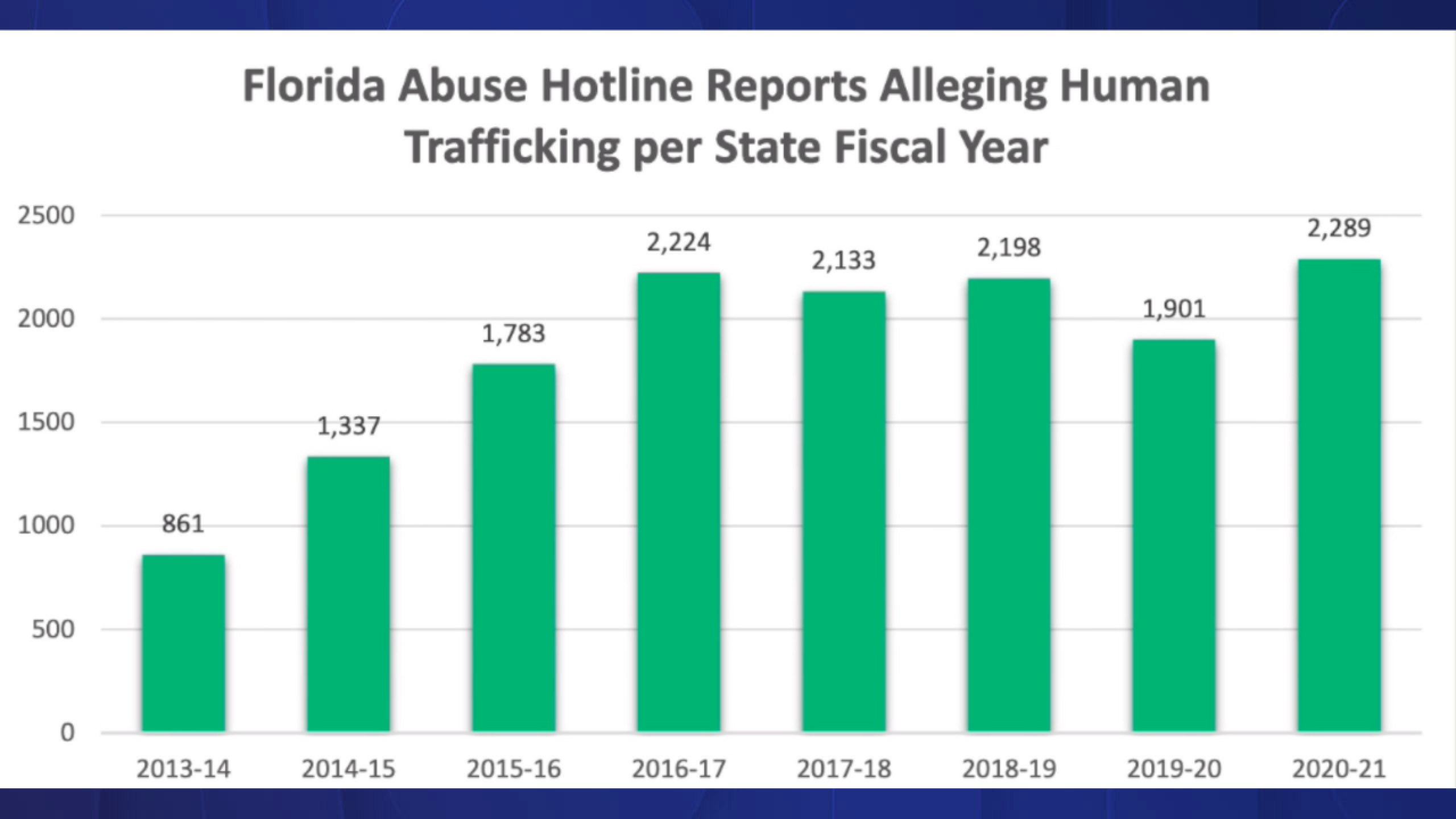
TL;DR: Florida’s New Reporting System on Human Trafficking
- Florida has implemented a new reporting system to combat human trafficking.
- Collaboration among various state departments is crucial for effective implementation.
- Legislative frameworks, including SB 1090 and the One Big Beautiful Bill Act, support these initiatives.
- Key organizations like ACHC and CMS play vital roles in addressing human trafficking.
- Future directions include enhancing reporting mechanisms and increasing public awareness.
Overview of Human Trafficking in Florida
Human trafficking remains a pressing issue in Florida, a state often identified as a hub for such activities due to its extensive tourism and transient population. The state’s warm climate and diverse economy create an environment where traffickers can exploit vulnerable individuals. According to the Florida Department of Children and Families, thousands of cases of human trafficking have been reported over the past few years, highlighting the urgent need for comprehensive strategies to combat this crime.
Florida’s geographic location makes it a prime target for traffickers who often exploit individuals from both domestic and international backgrounds. Victims may include children, women, and men, often coerced into labor or sexual exploitation. The state’s response has involved various stakeholders, including law enforcement, non-profit organizations, and government agencies, all working towards a unified goal of eradicating human trafficking.
The impact of human trafficking in Florida extends beyond the immediate victims, affecting communities and the economy. The Florida Legislature has recognized the need for robust legislation and support systems to address these challenges effectively. As the state continues to grapple with this issue, the establishment of a new reporting system aims to streamline efforts and improve outcomes for victims.
Key Organizations Addressing Human Trafficking
Several organizations play pivotal roles in addressing human trafficking in Florida, each contributing unique resources and expertise to combat this pervasive issue.
Role of ACHC
The Agency for Health Care Administration (ACHC) is instrumental in the fight against human trafficking in Florida. ACHC works to ensure that healthcare providers are trained to recognize signs of trafficking and respond appropriately. This includes implementing protocols for healthcare settings to identify potential victims and provide them with necessary resources and support.
ACHC collaborates with various stakeholders, including law enforcement and non-profit organizations, to enhance awareness and training programs. Their initiatives focus on integrating human trafficking awareness into healthcare practices, ensuring that medical professionals are equipped to assist victims effectively.
Involvement of CMS and Department of Health
The Centers for Medicare & Medicaid Services (CMS) and the Florida Department of Health (DOH) also play significant roles in combating human trafficking. CMS provides guidelines and resources to healthcare providers to identify and report suspected cases of trafficking. This includes training programs aimed at enhancing the skills of healthcare professionals in recognizing the signs of trafficking.
The Department of Health collaborates with community organizations to promote public awareness campaigns, emphasizing the importance of reporting suspected trafficking cases. Their efforts aim to create a supportive environment for victims, encouraging them to seek help and access necessary services.
Legislative Framework for Human Trafficking
Florida’s legislative framework surrounding human trafficking has evolved significantly in recent years, with key laws aimed at strengthening the state’s response to this issue.
Analysis of SB 1090
Senate Bill 1090 represents a critical step in Florida’s legislative efforts to combat human trafficking. This bill focuses on enhancing the reporting and tracking of trafficking cases, ensuring that law enforcement agencies have the necessary tools to address this crime effectively. The legislation mandates training for law enforcement and healthcare providers, emphasizing the importance of recognizing and responding to trafficking situations.
SB 1090 also establishes a framework for collaboration among various state agencies, facilitating information sharing and coordinated responses. By strengthening the legal framework, the bill aims to provide better protection for victims and hold traffickers accountable.
Overview of the One Big Beautiful Bill Act
The One Big Beautiful Bill Act further complements Florida’s efforts to combat human trafficking by consolidating various provisions aimed at enhancing victim support and prevention strategies. This comprehensive legislation addresses multiple facets of human trafficking, including prevention, prosecution, and victim assistance.
The Act emphasizes the importance of community involvement and awareness, encouraging local organizations to participate in prevention efforts. It also allocates funding for training programs and resources aimed at equipping law enforcement and service providers with the necessary tools to combat trafficking effectively.
The Reporting System on Human Trafficking
Florida’s new reporting system on human trafficking is designed to streamline the process of reporting and responding to trafficking cases. This system aims to enhance collaboration among state agencies and improve the overall effectiveness of the state’s response.
Gov. DeSantis’ Contributions
Governor Ron DeSantis has been a vocal advocate for addressing human trafficking in Florida. Under his leadership, the state has implemented various initiatives aimed at strengthening the reporting and response mechanisms. Governor DeSantis has emphasized the importance of collaboration among state agencies, urging them to work together to combat trafficking effectively.
His administration has also focused on increasing public awareness about human trafficking, encouraging citizens to report suspicious activities. By fostering a culture of vigilance and awareness, the Governor aims to empower communities to take an active role in combating this issue.
Implementation Strategies
The implementation of the new reporting system involves several key strategies aimed at enhancing its effectiveness. These include training programs for law enforcement and service providers, public awareness campaigns, and the establishment of a centralized reporting platform.
Training programs will equip professionals with the necessary skills to identify and respond to trafficking cases, ensuring that victims receive timely assistance. Public awareness campaigns will aim to educate citizens about the signs of trafficking and encourage them to report any suspicious activities.
The centralized reporting platform will facilitate information sharing among state agencies, allowing for a more coordinated response to trafficking cases. By implementing these strategies, Florida aims to create a comprehensive and effective reporting system that addresses the complexities of human trafficking.
Collaboration Among State Departments
Collaboration among various state departments is crucial for the effective implementation of Florida’s initiatives to combat human trafficking. By working together, these departments can share resources, expertise, and information, leading to more effective responses to trafficking cases.
Department of Children and Families (DCF) Initiatives
The Department of Children and Families (DCF) plays a vital role in addressing human trafficking in Florida. DCF’s initiatives focus on prevention, intervention, and support for victims. The department collaborates with law enforcement, non-profit organizations, and community stakeholders to develop comprehensive strategies aimed at combating trafficking.
DCF has implemented training programs for its staff to recognize signs of trafficking and provide appropriate support to victims. Additionally, the department works to raise awareness within communities about the resources available for victims and the importance of reporting suspected trafficking cases.
Department of Economic Opportunity (DEO) Involvement
The Department of Economic Opportunity (DEO) is also actively involved in addressing human trafficking in Florida. DEO’s initiatives focus on economic empowerment and job training for victims, helping them rebuild their lives after experiencing trafficking.
By providing access to job training programs and resources, DEO aims to reduce the vulnerability of individuals to trafficking. The department collaborates with various organizations to create pathways for victims to gain employment and achieve financial independence, ultimately reducing the risk of re-trafficking.
Trafficking in Persons Risk to Resilience Lab
The Trafficking in Persons Risk to Resilience Lab is a key initiative aimed at understanding and addressing the complexities of human trafficking. This lab focuses on research and data analysis to identify risk factors associated with trafficking and develop strategies to enhance resilience among vulnerable populations.
By leveraging data and research, the lab aims to inform policy decisions and improve the effectiveness of interventions. The insights gained from the lab’s work will contribute to a more comprehensive understanding of human trafficking in Florida and guide future initiatives aimed at prevention and support for victims.
Impact of Human Trafficking Legislation
The impact of human trafficking legislation in Florida has been significant, leading to increased awareness, improved reporting mechanisms, and enhanced support for victims. Legislative efforts have resulted in a more coordinated response among state agencies and organizations, fostering collaboration and information sharing.
As a result of these legislative initiatives, there has been a noticeable increase in the reporting of trafficking cases, allowing law enforcement to take more proactive measures in addressing this issue. Furthermore, the emphasis on victim support and assistance has led to improved outcomes for individuals affected by trafficking.
Future Directions in Addressing Human Trafficking
Looking ahead, Florida’s approach to addressing human trafficking will continue to evolve. Future directions include enhancing reporting mechanisms, increasing public awareness, and fostering collaboration among state agencies and organizations.
Efforts will focus on improving training programs for professionals, ensuring that they are equipped to recognize and respond to trafficking cases effectively. Additionally, public awareness campaigns will aim to educate citizens about the signs of trafficking and encourage them to report suspicious activities.
By prioritizing these initiatives, Florida aims to create a comprehensive and effective response to human trafficking, ultimately working towards eradicating this crime and supporting victims.
Final Thoughts on Regulatory Frameworks
The Importance of Compliance in Healthcare
Compliance with regulations is essential in the healthcare sector, particularly in addressing human trafficking. Healthcare providers must be aware of the legal and ethical responsibilities they hold in recognizing and reporting trafficking cases. By adhering to these regulations, they can play a crucial role in supporting victims and preventing further exploitation.
Navigating the Complexities of Food Service Regulations
In the context of human trafficking, food service regulations also play a role in preventing exploitation. Ensuring compliance with labor laws and regulations can help protect vulnerable individuals from being trafficked in the food service industry. By fostering a culture of compliance, organizations can contribute to the broader efforts to combat human trafficking in Florida.