

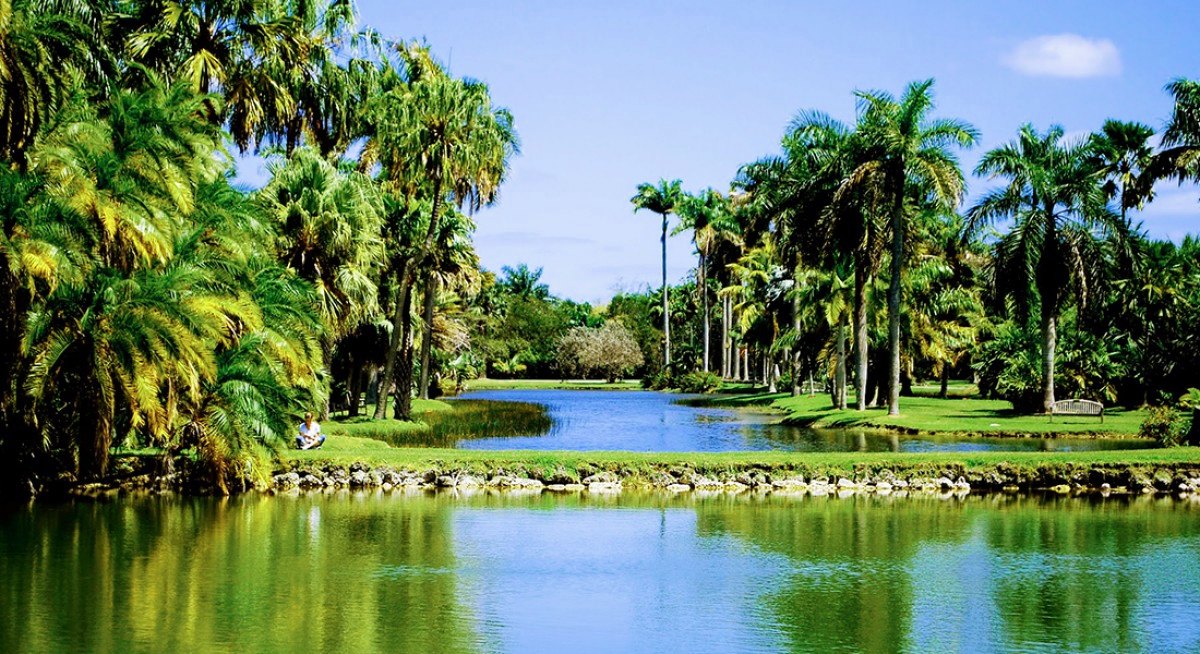
TL;DR: Exploring Miami’s Hidden Botanical and Tropical Gardens
- Miami is home to several stunning botanical gardens that showcase tropical flora.
- Fairchild Tropical Botanic Garden is renowned for its extensive collection of tropical plants and fruits.
- The Fruit & Spice Park offers a unique experience with over 500 varieties of fruits and spices.
- Miami Beach Botanical Garden serves as a serene urban oasis amidst the bustling city.
- The Kampong features exotic plants and is a historic site once owned by a famous botanist.
Fairchild Tropical Botanic Garden: A Tropical Masterpiece
Fairchild Tropical Botanic Garden, located in Coral Gables, spans 83 acres and is often regarded as the crown jewel of Miami’s botanical scene. Founded in 1938 by the renowned plant explorer Dr. David Fairchild, the garden is dedicated to the conservation and study of tropical plants. It boasts an impressive collection of over 3,400 species, including rare palms, cycads, and tropical fruit trees.
One of the garden’s highlights is its Rainforest, the only one of its kind in the continental United States. This two-acre area features cascading waterfalls and a diverse array of tropical flora, creating a lush, immersive environment. Visitors can explore the Butterfly Garden, which is home to numerous butterfly species, and the Tropical Flowering Trees Collection, showcasing over 740 species from around the globe.
Fairchild is not just a garden; it is a vibrant center for education and community engagement. The garden hosts various events throughout the year, including the NightGarden, an enchanting light display that transforms the landscape into a magical experience. Additionally, the garden offers guided tours, educational programs, and seasonal festivals, making it a hub for both locals and tourists.
The Glasshouse Café, located on-site, provides a delightful dining experience with views of the gardens, allowing visitors to relax and enjoy the natural beauty surrounding them. With its commitment to conservation and education, Fairchild Tropical Botanic Garden continues to inspire and educate visitors about the importance of preserving tropical ecosystems.
Fruit & Spice Park: A Unique Botanical Experience
Nestled in Homestead, the Fruit & Spice Park is the only tropical botanical garden of its kind in the United States. Covering 37 acres, this unique garden is dedicated to showcasing over 500 varieties of fruits, vegetables, herbs, and spices from around the world. The park’s microclimate allows for the cultivation of tropical species that thrive in this region, making it a paradise for food enthusiasts and nature lovers alike.
Visitors can embark on guided tasting tours, where they can sample seasonal fruits and learn about the various plants that grow in the park. The Tasting Tours are particularly popular, offering guests the chance to savor exotic fruits such as jackfruit, lychee, and sapodilla, along with a variety of spices and herbs.
The park also features a Herb Garden, where visitors can explore aromatic plants used in cooking and traditional medicine. The Edible Garden showcases plants that are not only beautiful but also serve culinary purposes, highlighting the connection between nature and food.
Throughout the year, the Fruit & Spice Park hosts various events, including the Tropical Fruit Festival, where visitors can enjoy live music, cooking demonstrations, and tastings. The park’s commitment to education extends to school programs and workshops, making it a valuable resource for families and educators.
With its diverse plant collections and engaging activities, the Fruit & Spice Park offers a unique botanical experience that celebrates the richness of tropical agriculture.
Miami Beach Botanical Garden: An Urban Oasis
Located in the heart of South Beach, the Miami Beach Botanical Garden is a serene 2.6-acre oasis that provides a peaceful escape from the bustling city. This urban garden features a diverse collection of native and exotic plants, including flowering trees, palms, and a stunning Japanese Garden complete with a koi pond.
The garden is designed to be a sustainable space, showcasing water-conscious landscaping and native flora that supports local wildlife. It serves as a habitat for migratory birds and butterflies, making it a haven for nature enthusiasts and photographers.
Visitors can participate in a variety of programs and events, including yoga sessions, horticulture talks, and seasonal plant sales. The garden also hosts art exhibits and cultural events, making it a vibrant community space that fosters engagement with nature and the arts.
The Great Lawn provides ample space for relaxation and recreation, while the Botanical Boutique offers a selection of plants, seeds, and garden-related gifts. The Miami Beach Botanical Garden is free to the public, making it accessible to all who wish to enjoy its beauty.
With its commitment to sustainability and community engagement, the Miami Beach Botanical Garden exemplifies the importance of green spaces in urban environments.
The Kampong: A Historic Garden of Exotic Plants
The Kampong, located in Coconut Grove, is a historic garden that was once the private estate of Dr. David Fairchild. This 9-acre botanical garden is part of the National Tropical Botanical Garden and features an impressive collection of tropical fruit cultivars and flowering plants from around the world.
Visitors to The Kampong can explore the diverse plant collections, which include over 50 varieties of mango, rare palms, and cycads. The garden’s layout encourages exploration, with winding paths that lead to various themed areas, including a Cacao Grove and a Butterfly Garden.
Guided tours are available, offering insights into the history of the garden and the significance of the plants within it. The Kampong also hosts educational programs and workshops focused on tropical gardening and conservation efforts.
The garden’s tranquil setting, combined with its rich history and diverse plant collections, makes The Kampong a unique destination for those interested in botany and horticulture.
Vizcaya Museum and Gardens: Italian Renaissance in Miami
The Vizcaya Museum and Gardens is a stunning example of Italian Renaissance architecture set against the backdrop of Biscayne Bay. This historic estate, built in the early 20th century by industrialist James Deering, features ten acres of formal gardens that are meticulously designed to reflect the grandeur of European gardens.
Visitors can wander through the various garden rooms, including the Secret Garden, Maze Garden, and Fountain Garden, each offering a unique experience. The gardens are adorned with sculptures, fountains, and lush plantings that create a picturesque setting for relaxation and exploration.
In addition to the gardens, the Vizcaya estate includes a museum showcasing art and furnishings from the early 20th century. The museum’s collections provide insight into the lifestyle of the era and the vision of its creator.
Throughout the year, Vizcaya hosts a variety of events, including art exhibitions, concerts, and educational programs, making it a cultural hub in Miami. The gardens are open to the public, inviting visitors to experience the beauty and history of this iconic estate.
Exploring the Diversity of Tropical Flora in Miami
Miami’s botanical gardens are a testament to the city’s rich biodiversity and unique climate. The region’s subtropical environment allows for the cultivation of a wide variety of plant species, making it a haven for botanists and plant enthusiasts.
In addition to the gardens already mentioned, Miami is home to several other notable botanical attractions, including the Montgomery Botanical Center, which focuses on the conservation of palms and cycads, and Pinecrest Gardens, a vibrant park that hosts community events and art exhibitions.
Each of these gardens offers a unique perspective on tropical flora, showcasing the beauty and diversity of plants that thrive in Miami’s climate. From rare orchids to exotic fruits, visitors can explore the vast array of plant life that defines the region.
The gardens also play a crucial role in conservation efforts, providing a space for research and education on the importance of preserving biodiversity. Through guided tours, workshops, and community events, these gardens foster a deeper understanding of the natural world and the need for sustainable practices.
Community Events and Educational Programs in Botanical Gardens
Miami’s botanical gardens are not only places of beauty but also centers for community engagement and education. Each garden offers a variety of programs and events designed to connect visitors with nature and promote environmental stewardship.
For example, Fairchild Tropical Botanic Garden hosts seasonal festivals, educational workshops, and guided tours that cater to all ages. The garden’s commitment to education extends to school programs that teach children about plant science and conservation.
Similarly, the Miami Beach Botanical Garden offers yoga classes, horticulture talks, and art exhibitions, creating a dynamic space for community interaction. The garden’s events are designed to engage visitors in meaningful ways, fostering a sense of connection to the natural world.
The Fruit & Spice Park also hosts events that celebrate local agriculture and culinary traditions, providing visitors with opportunities to learn about the diverse fruits and spices grown in the region. Tasting tours and cooking demonstrations highlight the importance of sustainable farming practices and the benefits of consuming locally sourced produce.
Through these programs, Miami’s botanical gardens serve as vital resources for education and community engagement, promoting a deeper appreciation for the environment and the importance of conservation.
The Role of Botanical Gardens in Conservation Efforts
Botanical gardens play a crucial role in conservation efforts, serving as living laboratories for research and education. In Miami, these gardens are dedicated to preserving endangered plant species and promoting biodiversity.
Fairchild Tropical Botanic Garden, for instance, is involved in various conservation initiatives aimed at protecting rare and endangered plants. The garden collaborates with local and international organizations to conduct research and implement conservation strategies that benefit both native and exotic species.
The Montgomery Botanical Center focuses specifically on the conservation of palms and cycads, housing one of the largest collections of these plants in the world. Through research and education, the center aims to raise awareness about the importance of preserving these unique species and their habitats.
Additionally, The Kampong and Fruit & Spice Park contribute to conservation efforts by showcasing the diversity of tropical plants and promoting sustainable gardening practices. These gardens provide valuable resources for researchers and educators, fostering a greater understanding of the ecological significance of plant conservation.
By engaging the community in conservation efforts, Miami’s botanical gardens inspire visitors to take action and contribute to the preservation of the natural world.
Exploring Miami’s Botanical Treasures
Miami’s botanical gardens offer a wealth of experiences for visitors seeking to connect with nature and explore the beauty of tropical flora. Each garden presents a unique perspective on the region’s biodiversity, showcasing the importance of conservation and education.
The Allure of Fairchild Tropical Botanic Garden
Fairchild Tropical Botanic Garden stands out as a premier destination for plant enthusiasts and families alike. With its extensive collections and engaging programs, it invites visitors to immerse themselves in the beauty of tropical plants.
A Journey Through the Miami Beach Botanical Garden
The Miami Beach Botanical Garden serves as a tranquil escape in the heart of the city, offering a diverse array of plants and community events that foster a love for nature.
The Unique Charm of The Kampong
The Kampong’s rich history and exotic plant collections provide a unique glimpse into the world of tropical botany, making it a must-visit for those interested in horticulture.
Discovering the Hidden Wonders of Pinecrest Gardens
Pinecrest Gardens offers a vibrant community space filled with lush landscapes and engaging activities, ensuring there’s always something new to experience.
The Artistic Landscape of Vizcaya Museum and Gardens
Vizcaya Museum and Gardens combines art and nature, creating a stunning environment that reflects the grandeur of Italian Renaissance design.
Engaging with Nature at Montgomery Botanical Center
The Montgomery Botanical Center’s dedication to conservation and education makes it a vital resource for understanding the importance of preserving tropical ecosystems.
Experiencing the Fruit & Spice Park
The Fruit & Spice Park’s unique offerings and tasting tours provide visitors with a delicious way to explore the diversity of tropical agriculture.
The Serenity of Patch of Heaven Sanctuary
Patch of Heaven Sanctuary offers a peaceful retreat filled with rare tropical hardwood hammocks and a commitment to environmental stewardship.
In conclusion, Miami’s botanical gardens are not just beautiful spaces; they are vital resources for education, conservation, and community engagement. By exploring these hidden treasures, visitors can deepen their appreciation for the natural world and the importance of preserving it for future generations.