

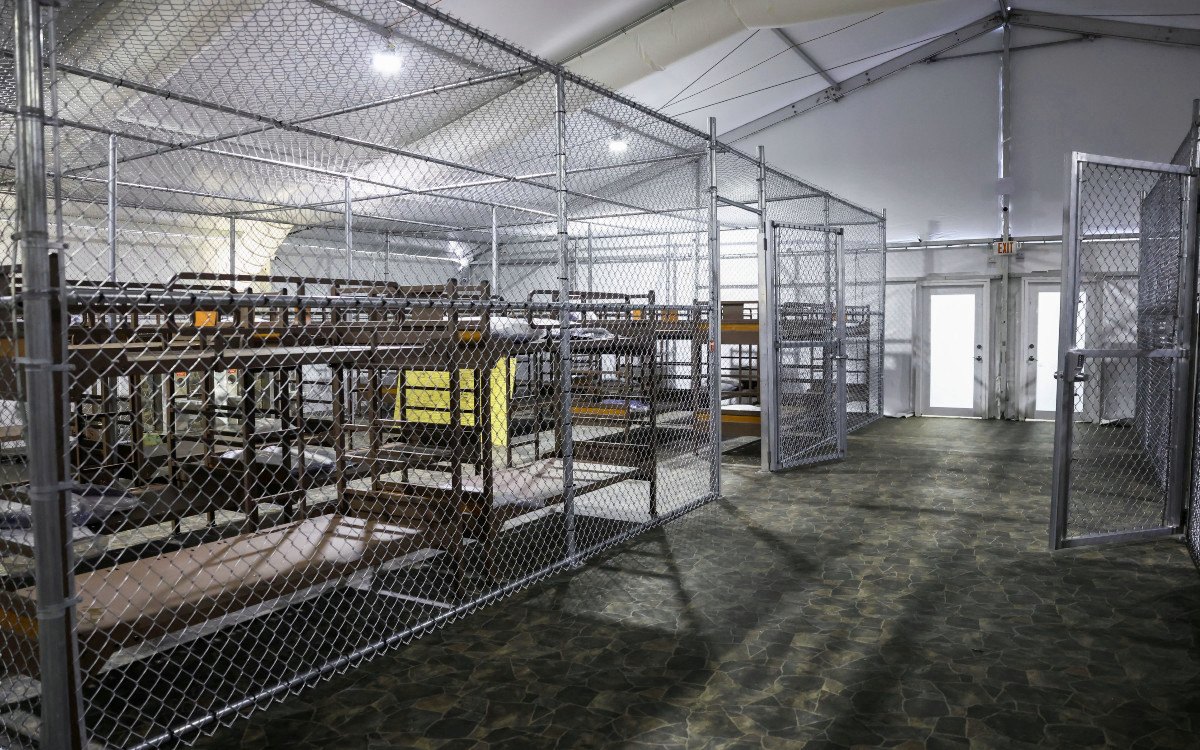
TL;DR: Evidence Withheld on Florida’s Alligator Alcatraz Funding
- Federal and state officials allegedly withheld evidence regarding funding for the Alligator Alcatraz immigration detention center.
- New documents reveal prior discussions about federal reimbursement for the facility’s construction.
- FEMA approved $608 million in federal funding for the center, contradicting earlier claims.
- Environmental groups are suing to close the facility, citing violations of federal environmental law.
- Ongoing legal challenges may impact the future of immigration detention in Florida.
Federal and State Officials’ Withholding of Evidence
In a controversial case surrounding the Alligator Alcatraz immigration detention center, federal and state officials are accused of withholding crucial evidence that could have influenced court decisions regarding the facility’s operation. Environmental groups, including Friends of the Everglades and the Center for Biological Diversity, have claimed that the Department of Homeland Security (DHS) had agreed to reimburse Florida for some of the construction costs, a fact that was not disclosed during legal proceedings.
The implications of this withholding are significant. The appellate court’s decision to keep the facility operational was based on the assertion that Florida had not yet applied for federal reimbursement, thereby exempting it from federal environmental regulations. However, newly surfaced emails and documents obtained through a public records request indicate that discussions about federal reimbursement were ongoing as early as June, prior to the court’s ruling.
This lack of transparency raises questions about the integrity of the legal process and the responsibilities of state and federal officials in disclosing pertinent information. Tania Galloni, an attorney representing the environmental groups, emphasized that the newly uncovered evidence demonstrates a close partnership between federal and state officials regarding the facility’s funding and operation from the outset.
Department of Homeland Security’s Reimbursement Agreement
The Department of Homeland Security’s reimbursement agreement is central to the ongoing legal battles surrounding the Alligator Alcatraz facility. This agreement, which was allegedly not disclosed to the courts, indicates that the federal government had committed to covering a portion of the costs associated with the construction and operation of the detention center.
In early August, the Federal Emergency Management Agency (FEMA) confirmed receipt of a grant application from Florida officials, which further solidified the state’s eligibility for federal funding. By late September, FEMA had officially approved $608 million in federal funding for the facility. This approval contradicts earlier claims made by state officials that no reimbursement had been sought, thereby undermining the legal arguments used to justify the facility’s continued operation without a thorough environmental review.
The ramifications of this agreement extend beyond the immediate legal challenges. If the courts determine that the state was indeed required to adhere to federal environmental laws due to the reimbursement agreement, it could lead to significant changes in how immigration detention facilities are constructed and operated in Florida and potentially across the nation.
Public Records Request Reveals Key Discussions
A recent public records request has unveiled critical discussions between federal and state officials regarding the funding and operation of the Alligator Alcatraz facility. These records include emails and documents that suggest a coordinated effort to secure federal reimbursement for the facility’s construction costs, which had not been disclosed during previous court hearings.
The timing of these discussions is particularly important. The records indicate that conversations about federal funding were taking place as early as June, well before the appellate court’s ruling in September. This raises serious questions about the transparency of the state and federal agencies involved and their obligations to disclose relevant information to the courts.
Environmental groups argue that the withholding of this evidence not only violates legal standards but also undermines public trust in governmental processes. The newly revealed documents could play a pivotal role in the ongoing legal battles, as they provide a clearer picture of the relationship between state and federal officials in the context of immigration detention policy.
FEMA’s Approval of Federal Funding
FEMA’s approval of $608 million in federal funding for the Alligator Alcatraz facility marks a significant development in the ongoing controversy surrounding immigration detention in Florida. This funding approval, which was communicated to state officials in late September, contradicts earlier assertions that Florida had not applied for federal reimbursement, thereby exempting the facility from federal environmental regulations.
The approval of such a substantial amount of funding raises questions about the federal government’s role in supporting state-level immigration policies, particularly those that have faced significant legal and environmental challenges. The funding is intended to support both the construction and ongoing operation of the facility, which has been criticized for its environmental impact on the surrounding Everglades.
This financial backing from FEMA not only legitimizes the facility’s existence but also complicates the legal landscape for environmental groups seeking to challenge its operation. The approval underscores the federal government’s commitment to expanding immigration detention capacity, particularly in states like Florida that have been at the forefront of such initiatives.
Federal Judge’s Ruling on Environmental Impact
In mid-August, a federal judge in Miami issued a ruling that ordered the Alligator Alcatraz facility to wind down operations over a two-month period. This decision was based on the finding that state officials had failed to conduct a proper review of the detention center’s environmental impact, as mandated by federal law.
The judge’s ruling highlighted the importance of adhering to environmental regulations, particularly in sensitive areas like the Everglades. The court concluded that a reimbursement decision had already been made, which should have triggered a comprehensive environmental review prior to the facility’s construction and operation.
This ruling represents a significant victory for environmental advocates who have long argued that the facility poses a threat to the fragile ecosystem of the Everglades. The judge’s decision also emphasizes the need for transparency and accountability in the construction and operation of immigration detention centers, particularly those funded by federal dollars.
Ongoing Legal Challenges to the Everglades Facility
The Alligator Alcatraz facility is currently facing multiple legal challenges that could impact its future operations. In addition to the environmental lawsuit filed by Friends of the Everglades and the Center for Biological Diversity, there are two other federal court cases that question the legality of the facility’s operation under federal law.
These challenges center around claims that Florida agencies and private contractors lack the authority to operate the center, as well as concerns about detainees’ access to confidential communications with their attorneys. The outcomes of these legal battles could set important precedents for immigration detention practices in Florida and beyond.
As the legal landscape continues to evolve, the fate of the Alligator Alcatraz facility remains uncertain. The combination of environmental concerns, legal challenges, and the implications of federal funding creates a complex scenario that will require careful navigation by state and federal officials.
Implications of Withheld Evidence on Court Decisions
The implications of the withheld evidence regarding the Alligator Alcatraz facility are profound. If the courts determine that the state and federal officials acted in bad faith by not disclosing the reimbursement agreement and related discussions, it could lead to significant legal repercussions.
The new evidence could potentially alter the course of ongoing legal challenges, as it provides a basis for arguing that the facility was not in compliance with federal environmental laws. This could result in the court ordering the facility to cease operations or requiring a comprehensive environmental review before any further actions can be taken.
Moreover, the case raises broader questions about the accountability of state and federal agencies in the context of immigration detention. The failure to disclose critical information not only undermines the legal process but also erodes public trust in governmental institutions.
Florida’s Role in Immigration Detention Expansion
Florida has emerged as a leader in the expansion of immigration detention facilities under the Trump administration’s policies. The Alligator Alcatraz facility is just one of several centers that have been constructed in the state to support the administration’s crackdown on immigration.
In addition to the Everglades facility, Florida has opened another immigration detention center in northeast Florida and is exploring the possibility of a third facility in the Florida Panhandle. This aggressive expansion reflects the state’s commitment to enforcing federal immigration policies, often at the expense of environmental considerations and community concerns.
The implications of Florida’s role in this expansion are significant, as they highlight the intersection of immigration policy, environmental law, and state governance. The ongoing legal challenges to the Alligator Alcatraz facility may serve as a critical test case for how these issues are navigated in the future.
Conclusion on the Alligator Alcatraz Controversy
The controversy surrounding the Alligator Alcatraz immigration detention facility underscores the complex interplay between federal funding, environmental law, and immigration policy. As new evidence continues to emerge, the legal battles surrounding the facility are likely to intensify.
Implications for Environmental Law
The case raises important questions about the enforcement of environmental regulations in the context of immigration detention. If the courts determine that the facility was constructed without proper environmental reviews, it could set a precedent for future cases involving similar facilities.
Future of Immigration Detention in Florida
The ongoing legal challenges and the implications of withheld evidence may significantly impact the future of immigration detention in Florida. As the state continues to expand its detention capacity, the outcomes of these legal battles will be closely watched by advocates on both sides of the immigration debate.