

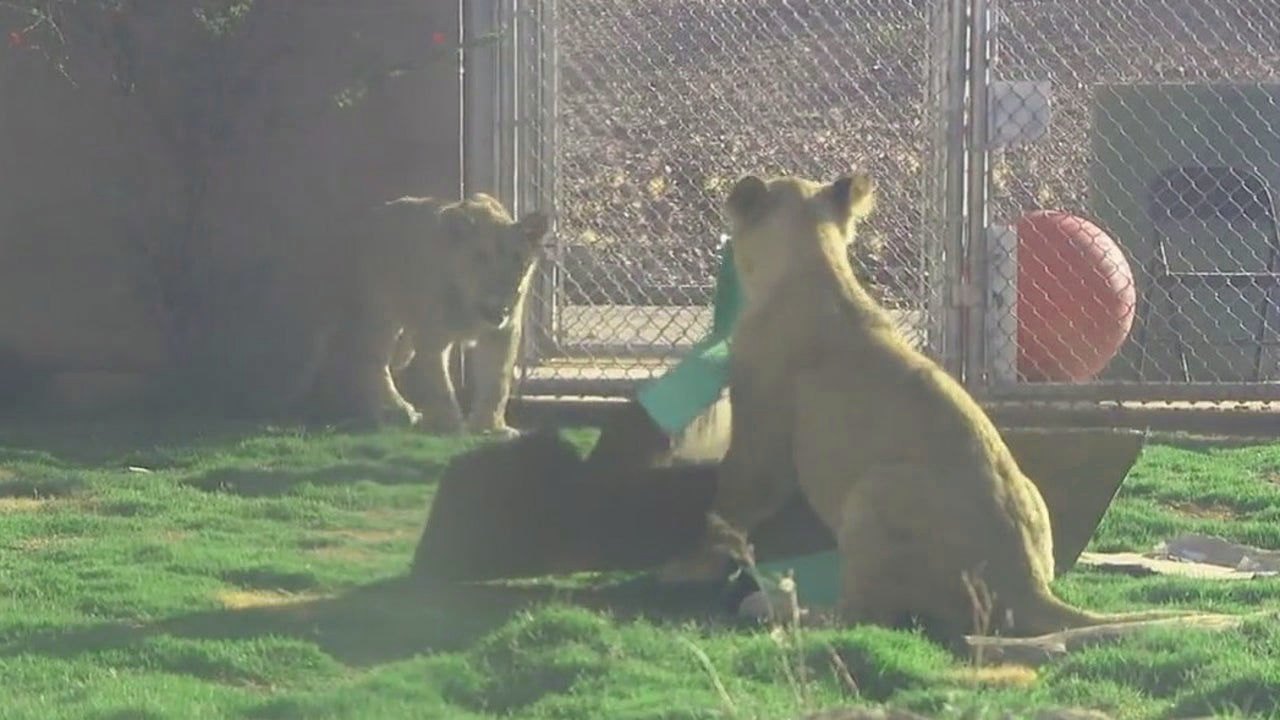
TL;DR: Azizi and Jasiri: New Lions Debut at Zoo Miami
- Two young male lions, Azizi and Jasiri, arrived at Zoo Miami on November 6, 2025.
- The brothers were born on June 3, 2024, and are currently over a year old.
- They have completed their initial quarantine and have begun exploring their new habitat.
- Zoo Miami plans to establish a pride by introducing female lions in the future.
- The zoo is committed to lion conservation efforts both in captivity and in the wild.
Introduction of Azizi and Jasiri to Zoo Miami
Zoo Miami has recently welcomed two young male lions, Azizi and Jasiri, marking a significant return of these majestic animals to the zoo after a brief absence. Following the passing of beloved elderly lions Jabari and Kwame, the introduction of Azizi and Jasiri symbolizes a new chapter for the zoo and its commitment to lion conservation. The brothers arrived from the Phoenix Zoo in Arizona and are currently acclimating to their new environment.
The arrival of Azizi and Jasiri is not just about filling the void left by their predecessors; it represents a strategic move towards establishing a sustainable pride at Zoo Miami. This initiative is part of a broader conservation effort that aligns with the Association of Zoos and Aquariums (AZA) Species Survival Plan (SSP). The SSP aims to manage and conserve lion populations in accredited institutions, ensuring the species’ survival for future generations.
As the lions settle into their new home, they will have the opportunity to engage with their surroundings, explore their habitat, and interact with enrichment items designed to stimulate their natural behaviors. This careful introduction process is essential for their well-being and adjustment to life at the zoo.
Background on the Previous Lions
Before the arrival of Azizi and Jasiri, Zoo Miami was home to two beloved lions, Jabari and Kwame. These elderly lions were cherished by visitors and staff alike, serving as ambassadors for their species. Their passing left a notable gap in the zoo’s animal collection, prompting the need for new lions to continue the zoo’s legacy of lion conservation and education.
Jabari and Kwame were not only significant attractions but also played a vital role in raising awareness about the challenges facing lions in the wild. Their presence helped educate the public about the importance of conservation efforts aimed at protecting these magnificent creatures from threats such as habitat loss, poaching, and human-wildlife conflict.
The transition from Jabari and Kwame to Azizi and Jasiri highlights the zoo’s commitment to maintaining a dynamic and engaging animal collection. By introducing younger lions, Zoo Miami aims to foster a new generation of lions that can inspire and educate visitors about the importance of wildlife conservation.
Arrival Details of the New Lions
Date of Arrival
Azizi and Jasiri arrived at Zoo Miami on November 6, 2025. This date marks a significant moment for the zoo, as it reintroduces lions to its collection after a period of absence. The arrival of these young males is part of a strategic plan to revitalize the zoo’s lion exhibit and engage visitors with new animal experiences.
Origin of the Lions
The brothers were born on June 3, 2024, and were transferred from the Phoenix Zoo in Arizona. Their journey to Zoo Miami is part of a broader effort to manage lion populations across accredited zoos in North America. By relocating lions between facilities, zoos can enhance genetic diversity and support conservation initiatives aimed at preserving the species.
Age and Development of Azizi and Jasiri
Azizi and Jasiri are currently just over a year old, having been born in June 2024. At this young age, they are still in the early stages of developing the impressive manes that male lions are known for. As they mature, their manes will grow thicker and darker, signifying their transition into adulthood.
Male lions can weigh up to 400 pounds and are recognized as one of the most powerful predators on the African continent. The growth and development of Azizi and Jasiri will be closely monitored by the zoo’s animal care staff, who are dedicated to ensuring their health and well-being as they grow.
The brothers’ early development is crucial for their future roles within the zoo and potentially as part of a larger pride. Their upbringing in a controlled environment allows for careful management of their socialization and behavioral training, which is essential for their integration into a pride setting.
Initial Quarantine and Introduction to Exhibit
Quarantine Period
Upon their arrival at Zoo Miami, Azizi and Jasiri underwent an initial quarantine period to ensure their health and safety. This standard procedure allows the zoo’s veterinary staff to monitor the lions for any signs of illness and to acclimate them to their new surroundings without the stress of public exposure.
The quarantine period is an essential step in the introduction process, as it helps the lions adjust to their new environment while minimizing potential health risks. During this time, they were provided with appropriate care, nutrition, and enrichment to keep them engaged and comfortable.
First Exhibit Experience
After completing their quarantine, Azizi and Jasiri were introduced to their new exhibit for the first time. With cautious steps, the brothers explored their habitat, staying close to one another as they investigated the trees and enrichment items placed by the zoo staff. This initial exploration is a critical moment in their acclimation process, allowing them to familiarize themselves with their surroundings.
The brothers were particularly drawn to a large rock formation affectionately named “Pride Rock,” a nod to Disney’s “The Lion King.” This iconic feature serves as a central point in their habitat, providing them with a vantage point to survey their new territory. The introduction of large bones as enrichment items further enhanced their experience, allowing them to engage in natural behaviors such as chewing and playing.
Over the coming weeks, Azizi and Jasiri will have periodic access to their exhibit as part of a “soft opening,” allowing them to gradually adjust to their new surroundings. This approach ensures that they become comfortable in their habitat before becoming a regular part of the zoo’s daily routine.
Enrichment Activities for the Lions
Enrichment activities are a vital component of the care provided to Azizi and Jasiri at Zoo Miami. These activities are designed to stimulate the lions mentally and physically, promoting their overall well-being and encouraging natural behaviors. The zoo’s animal science staff carefully plan and implement various enrichment strategies to keep the lions engaged.
One of the primary forms of enrichment provided to the brothers includes large bones, which they eagerly chew on. This not only satisfies their natural instinct to gnaw but also helps maintain their dental health. Additionally, the zoo staff incorporates various toys, scents, and environmental changes to create a dynamic habitat that encourages exploration and play.
The importance of enrichment cannot be overstated, as it plays a crucial role in preventing boredom and stress in captive animals. By providing a stimulating environment, Zoo Miami aims to ensure that Azizi and Jasiri thrive both physically and psychologically.
Future Plans for Establishing a Pride
Conservation Efforts
Zoo Miami’s long-term plan for Azizi and Jasiri includes the eventual introduction of female lions to establish a pride. This initiative is part of the zoo’s commitment to the AZA Species Survival Plan (SSP), which focuses on the conservation and management of lion populations in accredited institutions.
By bringing in female lions, Zoo Miami aims to create a sustainable pride that can contribute to the genetic diversity of the species. This effort aligns with broader conservation goals aimed at protecting lions in the wild, where populations are facing significant threats.
Zoo Miami has already made substantial contributions to lion conservation efforts, donating thousands of dollars through its conservation fund to support initiatives that protect lions across Africa. These efforts are crucial in addressing the challenges faced by wild lion populations, including habitat loss and poaching.
Role of Female Lions
The introduction of female lions into the pride is essential for the social structure and breeding success of the group. Female lions play a critical role in raising cubs and maintaining the pride’s cohesion. Their presence will not only enhance the social dynamics of the pride but also contribute to the zoo’s educational mission by providing visitors with insights into the behaviors and interactions of lions in a natural setting.
Zoo Miami’s plans for establishing a pride reflect a commitment to fostering a healthy and genetically diverse lion population. By prioritizing the role of female lions, the zoo aims to create a thriving environment that supports both the animals and the educational experiences of its visitors.
Zoo Miami’s Commitment to Lion Conservation
Zoo Miami has a long-standing commitment to lion conservation, both in captivity and in the wild. The arrival of Azizi and Jasiri is a testament to the zoo’s dedication to preserving this iconic species and educating the public about the challenges they face.
Through its participation in the AZA Species Survival Plan, Zoo Miami actively contributes to the management and conservation of lion populations across accredited institutions. This collaboration ensures that the zoo’s efforts align with broader conservation goals and that the lions in its care are part of a sustainable breeding program.
In addition to its work in captivity, Zoo Miami has made significant contributions to lion conservation efforts in the wild. The zoo’s conservation fund has supported various initiatives aimed at protecting lions and their habitats in Africa. These efforts are critical in addressing the threats faced by wild lion populations and ensuring their survival for future generations.
Visitor Engagement and Impact of New Lions
The debut of Azizi and Jasiri at Zoo Miami is expected to have a positive impact on visitor engagement. The presence of these young lions provides an opportunity for guests to connect with wildlife and learn about the importance of conservation efforts.
As the lions become more comfortable in their habitat and are visible to the public, they will serve as ambassadors for their species. Their story will resonate with visitors, highlighting the challenges faced by lions in the wild and the importance of supporting conservation initiatives.
Zoo Miami’s commitment to education and engagement is reflected in its programming and outreach efforts. By showcasing Azizi and Jasiri, the zoo aims to inspire visitors to take an active role in wildlife conservation and support efforts to protect endangered species.
The Return of Lions to Zoo Miami: A New Chapter
Introducing Azizi and Jasiri: The Young Kings
The arrival of Azizi and Jasiri marks a significant moment for Zoo Miami, as it reintroduces lions to its collection after a brief absence. These young kings represent the future of the zoo’s lion exhibit and the potential for establishing a thriving pride.
The Importance of Conservation Efforts
Zoo Miami’s commitment to lion conservation extends beyond its walls. By participating in the AZA Species Survival Plan and supporting initiatives in the wild, the zoo plays a vital role in the preservation of this magnificent species.
Visitor Engagement and the Future of Zoo Miami
As Azizi and Jasiri settle into their new home, they will engage visitors and inspire a new generation to appreciate and protect wildlife. The zoo’s efforts to educate the public about conservation will continue to be a cornerstone of its mission, ensuring that the legacy of lions at Zoo Miami endures for years to come.