

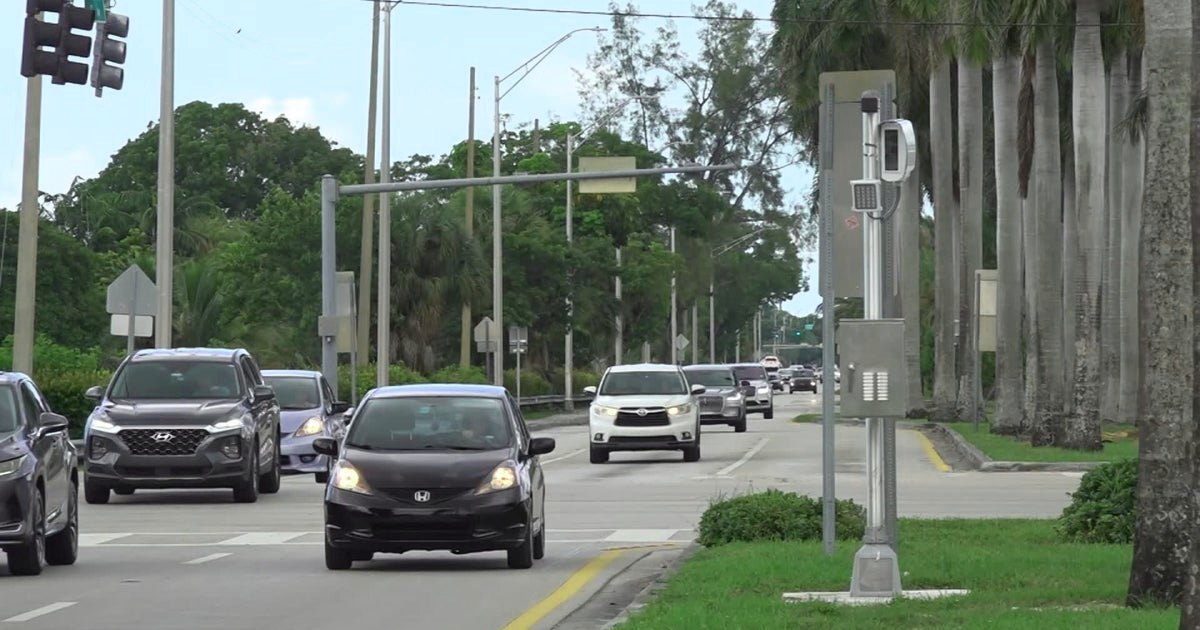
TL;DR: Miami Invests $17 Million in Speed Detection Systems for Schools
- Miami has allocated $17 million for speed detection systems in school zones.
- The initiative aims to enhance safety for students and pedestrians.
- Community response has been largely positive, with calls for further safety measures.
- Funding sources include local government budgets and state grants.
- Future plans involve expanding the program to more areas and improving technology.
Overview of Speed Detection Systems in Miami
Miami’s recent investment of $17 million in speed detection systems marks a significant step towards enhancing safety in school zones. These systems are designed to monitor vehicle speeds and provide real-time feedback to drivers, encouraging compliance with speed limits. The initiative is part of a broader strategy to reduce traffic-related incidents and improve the overall safety of students as they travel to and from school.
The speed detection systems will be strategically placed near schools, particularly in high-traffic areas. They utilize advanced technology to detect vehicle speeds and display this information prominently to drivers. This immediate feedback is intended to prompt drivers to slow down, thereby reducing the risk of accidents involving children.
In addition to speed detection, the systems may incorporate features such as automated alerts to law enforcement and integration with traffic management systems. This comprehensive approach aims to create a safer environment for students, parents, and pedestrians in school zones.
Investment Details for School Safety Initiatives
The $17 million investment in speed detection systems is part of a larger commitment by Miami-Dade County to enhance safety in school zones. This funding will cover the installation of the systems, ongoing maintenance, and potential upgrades to ensure they remain effective over time.
The budget allocation for this initiative reflects the county’s recognition of the urgent need to address traffic safety concerns, particularly in areas frequented by children. The investment is expected to yield long-term benefits, not only by reducing speed-related incidents but also by fostering a culture of safety among drivers.
Funding for the project is sourced from a combination of local government budgets and state grants aimed at improving public safety. This collaborative funding model underscores the importance of community involvement and governmental support in addressing critical safety issues.
Nota: The investment aligns with national trends where cities are increasingly prioritizing pedestrian safety, particularly around schools.
Goals of the Speed Detection Project
The primary goal of the speed detection project is to enhance the safety of students in school zones. By reducing vehicle speeds, the initiative aims to minimize the risk of accidents and injuries among children. The project also seeks to raise awareness among drivers regarding the importance of adhering to speed limits, particularly in areas where children are present.
Additionally, the project aims to create a safer environment for pedestrians, including parents and guardians who accompany children to school. By implementing these systems, Miami hopes to foster a culture of safety that extends beyond the school day, encouraging responsible driving habits throughout the community.
Another key objective is to utilize data collected from the speed detection systems to inform future traffic management strategies. This data can help identify patterns in speeding behavior and guide further investments in infrastructure improvements, such as additional signage, speed bumps, or traffic calming measures.
Implementation Timeline for Speed Detection Systems
The implementation of the speed detection systems in Miami is expected to follow a structured timeline to ensure efficiency and effectiveness. The project is set to roll out in phases, beginning with the identification of high-priority school zones where the need for speed detection is most critical.
-
Phase 1: Planning and Assessment (Months 1-3)
During this phase, city planners and traffic safety experts will assess school zones to determine the most effective locations for the speed detection systems. This assessment will involve community input and data analysis to prioritize areas with the highest traffic concerns. -
Phase 2: Installation (Months 4-6)
Following the planning phase, installation of the speed detection systems will commence. This phase will involve collaboration with technology providers and contractors to ensure timely and effective installation. -
Phase 3: Testing and Calibration (Months 7-8)
After installation, the systems will undergo rigorous testing and calibration to ensure accuracy and reliability. This phase is crucial for identifying any technical issues that may arise and addressing them promptly. -
Phase 4: Community Engagement and Education (Months 9-10)
As the systems become operational, the city will engage with the community to educate residents about the new technology and its benefits. This outreach will include informational campaigns to raise awareness about the importance of speed compliance in school zones. -
Phase 5: Monitoring and Evaluation (Ongoing)
Once the systems are fully operational, ongoing monitoring will be conducted to evaluate their effectiveness. Data collected will inform future adjustments and improvements to the program.
Impact on Student Safety in School Zones
The introduction of speed detection systems is expected to have a profound impact on student safety in Miami’s school zones. By actively monitoring and managing vehicle speeds, the initiative aims to create a safer environment for children as they navigate their way to and from school.
Research indicates that reducing vehicle speeds in school zones significantly decreases the likelihood of accidents and fatalities. For instance, studies have shown that a pedestrian struck by a vehicle traveling at 20 mph has a 90% chance of survival, while that chance drops to just 10% at 40 mph. This stark contrast underscores the importance of speed management in protecting vulnerable populations, particularly children.
Moreover, the presence of speed detection systems can serve as a deterrent for reckless driving behaviors. Drivers are more likely to adhere to speed limits when they know they are being monitored, leading to a culture of accountability on the roads.
Clave: The implementation of speed detection systems is part of a broader strategy to enhance community safety and promote responsible driving behaviors.
Funding Sources for the Safety Initiative
The funding for Miami’s speed detection systems initiative is derived from a combination of local government budgets and state grants. This multifaceted approach to funding underscores the collaborative effort between various levels of government to prioritize public safety.
Local government budgets are allocated specifically for infrastructure improvements and public safety initiatives. These funds are crucial for the initial investment in speed detection technology and ongoing maintenance costs. Additionally, state grants provide supplemental funding that can be used to expand the program or enhance its capabilities.
The collaborative nature of the funding model reflects a growing recognition of the importance of community safety. By pooling resources from different sources, Miami aims to maximize the impact of its investment and ensure the sustainability of the speed detection systems over time.
Community Response to Speed Detection Systems
The community response to the implementation of speed detection systems in Miami has been largely positive. Residents have expressed support for the initiative, recognizing the potential benefits for student safety and overall traffic management.
Community members have voiced their appreciation for the proactive approach taken by local authorities to address traffic safety concerns. Many parents and guardians feel reassured knowing that measures are being put in place to protect their children as they travel to and from school.
However, some residents have also called for additional safety measures, such as increased signage, speed bumps, and enhanced pedestrian crossings. This feedback highlights the community’s desire for a comprehensive approach to traffic safety that goes beyond speed detection alone.
“The speed detection systems are a great start, but we need to ensure that our children are safe in every aspect of their journey to school.”
Local Resident
Future Plans for Enhancing School Zone Safety
Looking ahead, Miami plans to expand its school zone safety initiatives beyond the current investment in speed detection systems. Future plans may include the integration of additional safety technologies, such as automated traffic signals, enhanced lighting, and improved crosswalks.
Moreover, the city aims to engage with community stakeholders to gather input on further safety enhancements. This collaborative approach will help ensure that the measures implemented are tailored to the specific needs of each school zone.
In addition to physical infrastructure improvements, Miami is also exploring educational programs aimed at promoting safe driving behaviors among residents. These programs may include workshops, informational campaigns, and partnerships with local schools to foster a culture of safety within the community.
Nota: The commitment to enhancing school zone safety reflects a broader trend among cities nationwide to prioritize pedestrian safety and reduce traffic-related incidents.
Final Thoughts on the Importance of Accurate Reporting
The Role of Journalists in Society
Journalists play a crucial role in informing the public about important issues, such as traffic safety and community initiatives. By accurately reporting on developments like Miami’s investment in speed detection systems, journalists help raise awareness and foster community engagement.
Ensuring Transparency and Accountability
Accurate reporting also serves to hold authorities accountable for their actions. By scrutinizing the implementation and effectiveness of safety initiatives, journalists contribute to a culture of transparency that benefits the entire community.