

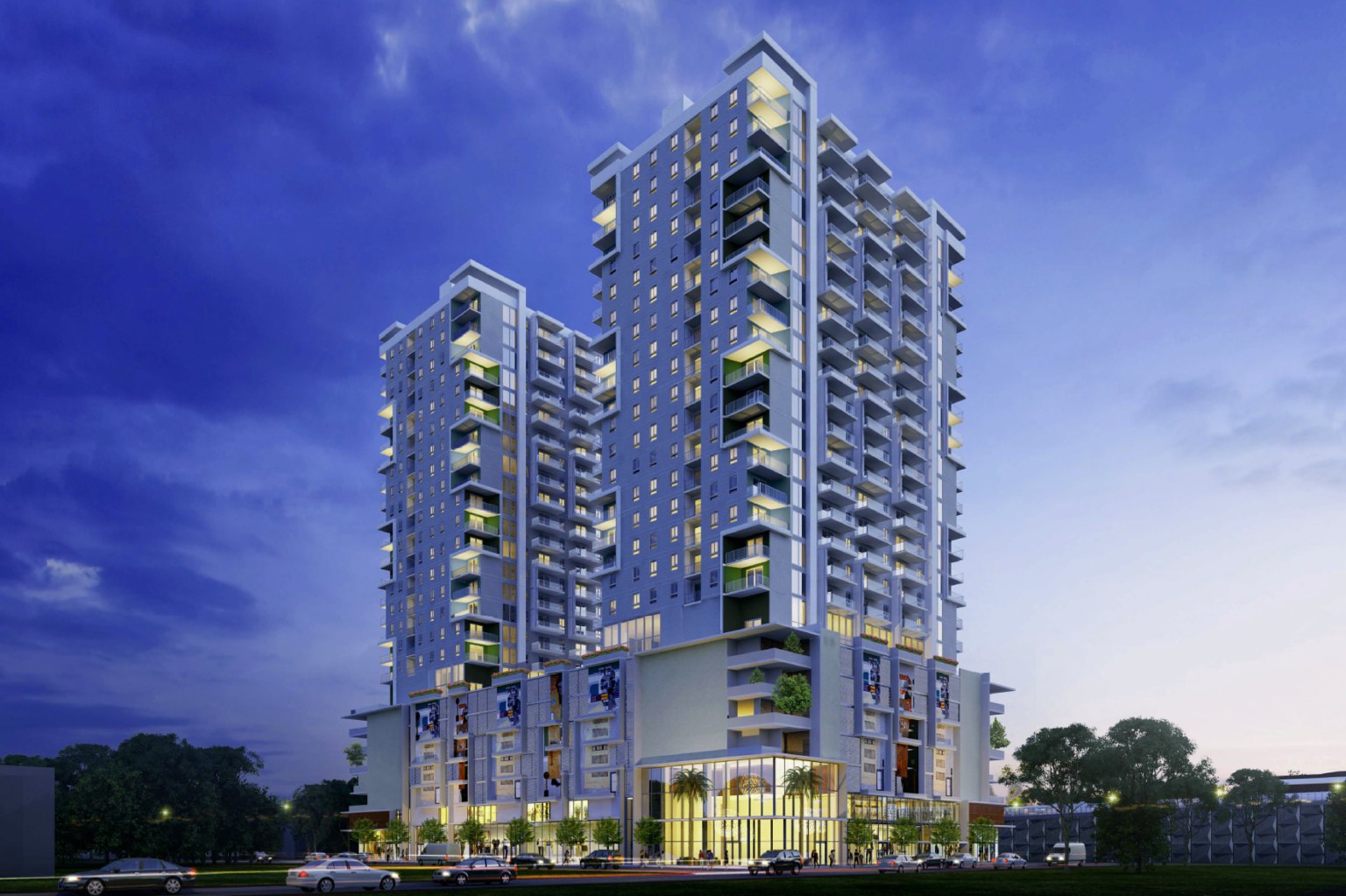
TL;DR: Overtown’s New 55-Story Tower to Include Affordable Housing
- A new 55-story mixed-use tower is set to rise in Overtown, Miami.
- The project will feature 498 residential units, including affordable housing and micro units.
- The design includes a colorful parking podium with artistic elements.
- The development aims to utilize Florida’s Live Local Act for additional height and density.
- The project is expected to enhance community engagement and cultural significance.
Overview of Overtown’s New Skyscraper
The upcoming 55-story skyscraper in Overtown, Miami, represents a significant development in the historic neighborhood. Proposed by David Om LLC, this mixed-use residential tower will be located at 1210 NW Second Ave, making it the tallest building in the area. The project is designed to provide a total of 498 residential units, which will include a mix of affordable housing options and micro dwelling units, catering to a diverse range of residents.
This ambitious project is not just about height; it aims to enhance the community by integrating art and culture into its design. The Urban Development Review Board has already recommended approval for the project, highlighting its potential to contribute positively to the neighborhood. The tower will also feature various amenities, making it an attractive option for both current residents and newcomers to Overtown.
The site itself spans approximately 22,500 square feet, or 0.517 acres, strategically positioned near key transportation hubs, including the Historic Overtown/Lyric Theatre Metrorail station and the Brightline regional transportation option. This accessibility is crucial for residents who rely on public transit, further emphasizing the project’s commitment to sustainable urban living.
Height and Structure of the Tower
Standing at 55 stories, the new tower will not only dominate the Overtown skyline but also redefine the architectural landscape of the area. The structure is designed to maximize the use of space while adhering to the regulations set forth by the Miami 21 zoning code. The height of the tower allows for expansive views of the surrounding cityscape, which will be complemented by a thoughtfully designed façade that reflects the cultural heritage of Overtown.
The tower’s design incorporates a three-story podium that serves as a base for the residential units above. This podium will not only provide essential parking facilities but will also be adorned with artistic elements that celebrate the neighborhood’s rich history. The project aims to blend functionality with aesthetics, creating a visually striking landmark that resonates with the community’s identity.
The architectural team, led by Kobi Karp, has emphasized the importance of integrating art into the building’s design. The podium will feature a unique façade created by Miami-based artist Yana Volf, transforming it into a canvas that tells the story of Overtown’s vibrant culture. This artistic approach aims to redefine the role of the podium, making it a focal point rather than just a functional base.
Residential Units and Affordability
The new tower will comprise 498 residential units, with a significant portion designated as affordable housing. This initiative is particularly important given the rising cost of living in Miami, where affordable housing options are increasingly scarce. The project aims to address this issue by reserving approximately 40% of the units for residents earning up to 120% of the area median income, ensuring that a diverse population can call Overtown home.
Income-Restricted Units
Out of the total 498 units, approximately 200 will be income-restricted, catering specifically to lower-income residents. This commitment to affordable housing aligns with the goals of Florida’s Live Local Act, which encourages developers to incorporate affordable units into their projects. By providing income-restricted housing, the tower aims to foster a sense of community and inclusivity, allowing residents from various socioeconomic backgrounds to coexist.
The income-restricted units will be designed to meet the needs of families and individuals alike, offering a range of layouts and sizes. This diversity in housing options is crucial for creating a vibrant community where residents can thrive. The project also seeks to provide amenities that enhance the quality of life for all residents, including communal spaces, recreational facilities, and easy access to public transportation.
Micro Dwelling Units
In addition to traditional residential units, the tower will feature micro dwelling units, which are designed to maximize space efficiency. These units will be as small as 275 square feet, catering to individuals and couples who prioritize affordability and location over size. The inclusion of micro units is a response to the growing demand for compact living spaces in urban areas, particularly among young professionals and students.
The micro units will be equipped with essential amenities, ensuring that residents can live comfortably despite the smaller footprint. This innovative approach to housing is expected to attract a younger demographic, contributing to the revitalization of Overtown and fostering a dynamic community atmosphere.
Location and Historical Significance
Overtown is a neighborhood steeped in history, known for its rich cultural heritage and significance within the African American community. Once a thriving hub for Black culture and commerce, Overtown has faced numerous challenges over the decades, including urban renewal efforts that displaced many residents. The development of the new tower represents a pivotal moment in the neighborhood’s ongoing transformation.
Situated near key historical landmarks, the tower will serve as a bridge between Overtown’s past and its future. The project aims to honor the legacy of the community while providing modern housing solutions that meet current needs. By integrating art and cultural references into the design, the tower seeks to celebrate the stories and experiences of Overtown’s residents, ensuring that the neighborhood’s history is not forgotten.
The location of the tower also positions it as a catalyst for further development in the area. With its proximity to public transportation and existing amenities, the project is expected to attract new businesses and investments, contributing to the economic revitalization of Overtown. This renewed interest in the neighborhood could lead to job creation and improved services for residents, further enhancing the community’s quality of life.
Regulatory Approval and Conditions
The development of the new tower has received unanimous support from the Urban Development Review Board, which has recommended approval with specific conditions. These conditions include the integration of the existing three-story module into the lower floors of the podium and the exploration of opportunities for “live art” on the podium façade. These recommendations reflect the board’s commitment to ensuring that the project aligns with the community’s needs and aspirations.
The project also seeks to utilize development bonuses outlined in Florida’s Live Local Act, which allows for increased height and density in exchange for the inclusion of affordable housing. This regulatory framework is designed to incentivize developers to create mixed-use projects that benefit the community while addressing the pressing need for affordable housing in urban areas.
As the project moves forward, the development team will work closely with city officials and community stakeholders to ensure that all conditions are met and that the tower serves as a positive addition to Overtown. This collaborative approach underscores the importance of community engagement in the development process, ensuring that the voices of residents are heard and considered.
Impact of Florida’s Live Local Act
Florida’s Live Local Act has emerged as a crucial piece of legislation aimed at addressing the affordable housing crisis in urban areas. By incentivizing developers to incorporate affordable units into their projects, the Act seeks to create more inclusive communities that cater to a diverse range of residents. The new tower in Overtown is a prime example of how this legislation can facilitate meaningful change in neighborhoods facing housing challenges.
The Act allows for increased height and density in mixed-use developments, enabling projects like the Overtown tower to maximize their potential while contributing to the community’s housing stock. By reserving a significant portion of units for income-restricted housing, the project aligns with the Act’s goals and demonstrates a commitment to addressing the needs of low- and moderate-income residents.
Moreover, the Live Local Act encourages developers to engage with local communities throughout the planning process. This emphasis on community involvement ensures that projects are tailored to the specific needs and desires of residents, fostering a sense of ownership and pride in the development. As a result, the tower is not just a building; it represents a collaborative effort to create a more equitable and vibrant Overtown.
Artistic Features of the Podium
The artistic vision for the tower’s podium is a standout feature that sets this project apart from typical residential developments. Designed by Miami-based artist Yana Volf, the podium will serve as a living artwork, transforming a functional space into a vibrant expression of Overtown’s cultural heritage. Volf’s work will incorporate elements of realism and pixelated abstraction, creating a façade that tells the story of the community.
The podium’s design aims to celebrate the everyday lives of Overtown residents, capturing their stories and experiences through art. As described by Volf, “Each pixel acts as both fragment and whole: from a distance, the surface resolves into portraits of the everyday Overtown resident.” This approach not only beautifies the building but also fosters a deeper connection between the structure and the community it serves.
By situating art at the base of the tower, the project redefines the role of the podium, transforming it into a stage for collective history. This artistic integration is expected to enhance the overall aesthetic appeal of the tower while providing a platform for community engagement and cultural expression. The podium will become a gathering place where residents and visitors can appreciate the rich tapestry of Overtown’s history and culture.
Project Scale and Parking Facilities
The scale of the new tower is significant, with approximately 500,000 square feet of floor area dedicated to residential units and amenities. The project will also include parking facilities designed to accommodate up to 154 vehicles, ensuring that residents have convenient access to transportation options. The parking levels will be integrated into the podium, featuring artistic treatments that align with the overall design vision.
The inclusion of parking within the podium is a strategic decision aimed at maximizing the use of space while minimizing the visual impact of parking structures. By incorporating art and glass treatments, the parking facilities will blend seamlessly with the building’s aesthetic, enhancing the overall experience for residents and visitors alike.
Additionally, the project’s location near public transportation hubs will encourage residents to utilize alternative modes of transport, reducing reliance on personal vehicles. This focus on sustainable transportation options aligns with broader urban planning goals aimed at creating walkable, transit-oriented communities.
The Future of Overtown: A New Era of Affordable Living
Transforming Urban Landscapes
The development of the new 55-story tower in Overtown marks a pivotal moment in the neighborhood’s evolution. By prioritizing affordable housing and community engagement, the project aims to transform the urban landscape while honoring the rich cultural heritage of the area. This commitment to inclusivity and sustainability sets a precedent for future developments in Miami and beyond.
As Overtown continues to evolve, the tower will serve as a beacon of hope for residents seeking affordable housing options. The integration of art, culture, and community-oriented design will create a vibrant atmosphere that fosters connection and engagement among residents. This transformation is not just about building structures; it is about creating a sense of belonging and pride within the community.
Community Engagement and Cultural Significance
The new tower is more than just a residential development; it represents a commitment to community engagement and cultural significance. By incorporating affordable housing, artistic elements, and a focus on inclusivity, the project aims to uplift the voices of Overtown residents and celebrate their stories. This approach underscores the importance of community involvement in shaping the future of urban neighborhoods.
As the project moves forward, ongoing dialogue with residents and stakeholders will be essential to ensure that the tower meets the needs and aspirations of the community. By fostering a collaborative environment, the development team can create a space that not only addresses housing challenges but also enriches the cultural fabric of Overtown.
In conclusion, the new 55-story tower in Overtown stands as a testament to the power of thoughtful urban development. By prioritizing affordable housing, artistic expression, and community engagement, this project has the potential to redefine the future of Overtown and serve as a model for similar initiatives across the country.