

TL;DR: Josephine Novo and Martha Castillo on Advocacy and Resilience
- Martha Castillo founded Team Matthew Luis to support families affected by Phelan-McDermid Syndrome.
- The Making Miami Podcast features discussions on advocacy, resilience, and community building.
- Rare genetic disorders, like Phelan-McDermid Syndrome, significantly impact families and require increased awareness.
- Advocacy plays a crucial role in raising awareness and providing resources for rare diseases.
- Building community support is essential for families navigating the challenges of rare genetic disorders.
Introduction to the Making Miami Podcast
The Making Miami Podcast serves as a platform for discussions that highlight local stories, challenges, and triumphs within the Miami community. In a recent episode, host Josephine Novo engages with Martha Castillo, a mother and advocate whose journey is both inspiring and poignant. The podcast aims to foster understanding and awareness around important issues, particularly those affecting families dealing with rare genetic disorders.
Martha Castillo’s story is a testament to resilience and the power of community. After her son, Matthew Luis, was diagnosed with Phelan-McDermid Syndrome, Martha transformed her personal challenges into a mission to support others facing similar struggles. The podcast not only sheds light on her advocacy work but also emphasizes the importance of sharing personal narratives to build connections and foster support.
Through engaging conversations, the Making Miami Podcast aims to create a sense of community, encouraging listeners to reflect on their own experiences and the ways they can contribute to advocacy and support for those in need.
Martha Castillo: A Journey of Advocacy
Martha Castillo’s journey began with the diagnosis of her son, Matthew Luis, who has Phelan-McDermid Syndrome (PMS). This rare genetic disorder is characterized by developmental delays, intellectual disabilities, and various physical challenges. Faced with the complexities of navigating the healthcare system and understanding her son’s needs, Martha found herself propelled into the world of advocacy.
Founding Team Matthew Luis
In response to the challenges she encountered, Martha founded Team Matthew Luis, a nonprofit organization dedicated to supporting families affected by PMS and other rare genetic disorders. The organization provides resources, education, and community support, helping families navigate the often-overwhelming landscape of rare diseases.
Team Matthew Luis aims to raise awareness about Phelan-McDermid Syndrome, advocating for better resources and support systems for affected families. Through fundraising events, educational workshops, and community outreach, the organization has made significant strides in fostering a supportive network for families in similar situations.
Martha’s dedication to advocacy stems from her personal experiences, and she emphasizes the importance of sharing stories to create understanding and empathy within the community. By sharing her journey, she hopes to inspire others to become advocates for their loved ones and to seek out the support they need.
Navigating Phelan-McDermid Syndrome
Navigating the complexities of Phelan-McDermid Syndrome has been a challenging journey for Martha and her family. The disorder presents a range of developmental and health challenges, requiring ongoing medical care and support. Martha’s firsthand experience has equipped her with valuable insights into the needs of families affected by PMS.
Through her advocacy work, Martha has become a voice for those who may feel unheard or overwhelmed by their circumstances. She emphasizes the importance of building a community where families can share their experiences, learn from one another, and access vital resources. By fostering connections among families, Martha aims to create a supportive environment that empowers individuals to advocate for their needs.
The Mission of Team Matthew Luis
Team Matthew Luis is driven by a mission to provide comprehensive support for families affected by Phelan-McDermid Syndrome and other rare genetic disorders. The organization focuses on several key areas:
-
Education and Awareness: Team Matthew Luis aims to educate the public about Phelan-McDermid Syndrome, its effects, and the importance of early diagnosis and intervention. By raising awareness, the organization hopes to foster understanding and empathy within the community.
-
Resource Provision: The organization provides families with access to resources, including information on medical care, therapy options, and support services. By connecting families with the right resources, Team Matthew Luis helps alleviate some of the burdens associated with navigating the healthcare system.
-
Community Building: Team Matthew Luis emphasizes the importance of community support. The organization hosts events and workshops that bring families together, allowing them to share their experiences and build connections. This sense of community is crucial for families facing the challenges of rare genetic disorders.
-
Advocacy: The organization advocates for policy changes and improved resources for families affected by PMS. By raising their voices, Team Matthew Luis aims to influence decision-makers and ensure that the needs of affected families are prioritized.
Through these efforts, Team Matthew Luis strives to create a supportive environment where families can thrive despite the challenges posed by rare genetic disorders.
Insights into Rare Genetic Disorders
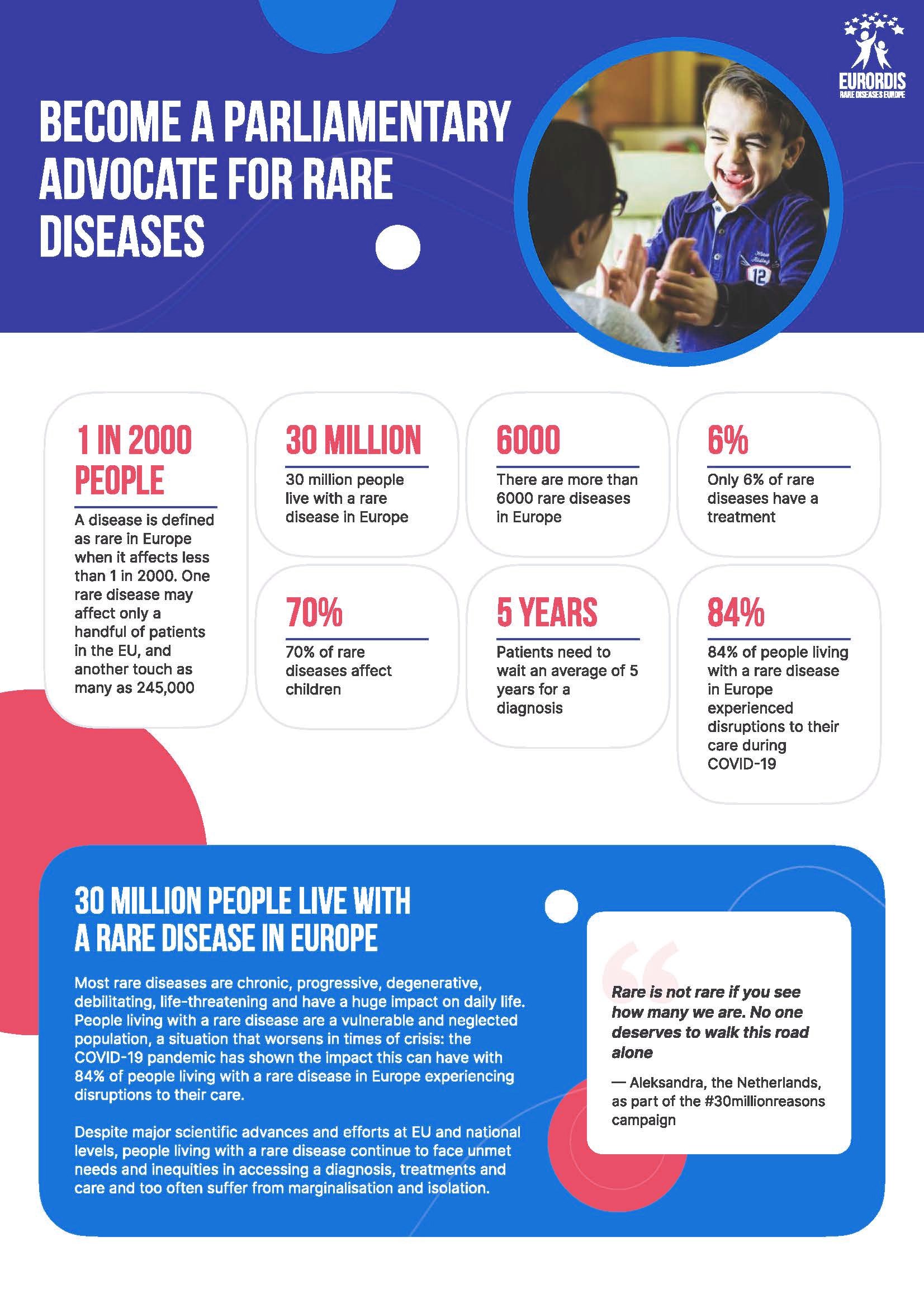
Rare genetic disorders, such as Phelan-McDermid Syndrome, affect a significant number of families worldwide. These disorders often come with a range of challenges, including developmental delays, intellectual disabilities, and various health issues. Understanding the impact of these disorders on families is crucial for fostering empathy and support within the community.
Understanding Phelan-McDermid Syndrome
Phelan-McDermid Syndrome is a rare genetic disorder caused by a deletion of the 22q13.3 chromosome. This deletion can lead to a variety of developmental and health challenges, including:
-
Developmental Delays: Children with PMS often experience delays in reaching developmental milestones, such as walking and talking. Early intervention is crucial for maximizing their potential.
-
Intellectual Disabilities: Many individuals with PMS have intellectual disabilities, which can affect their learning and social interactions. Tailored educational support is essential for helping them succeed.
-
Physical Health Issues: PMS can be associated with various physical health challenges, including gastrointestinal issues, seizures, and sleep disturbances. Ongoing medical care is often necessary to manage these conditions.
Understanding the complexities of Phelan-McDermid Syndrome is vital for families, healthcare providers, and the community. By raising awareness and providing education, organizations like Team Matthew Luis can help improve the quality of life for individuals affected by PMS.
Impact on Families
The impact of rare genetic disorders on families is profound. Parents often face emotional, financial, and logistical challenges as they navigate the complexities of their child’s care. The stress of managing medical appointments, therapies, and educational needs can be overwhelming.
Families may also experience feelings of isolation, as they may not know others facing similar challenges. This is where community support becomes invaluable. Organizations like Team Matthew Luis provide a network of understanding and shared experiences, helping families feel less alone in their journeys.
By fostering connections among families, Team Matthew Luis aims to create a supportive environment that empowers individuals to advocate for their needs and seek out the resources they require.
Building Community Support and Awareness
Building community support and awareness is essential for families affected by rare genetic disorders. Organizations like Team Matthew Luis play a crucial role in fostering connections and providing resources for those in need.
Community Engagement
Engaging the community is a key strategy for raising awareness about Phelan-McDermid Syndrome and other rare genetic disorders. Team Matthew Luis hosts events, workshops, and informational sessions to educate the public and create a sense of community among families.
These events provide opportunities for families to connect, share their experiences, and learn from one another. By fostering a supportive environment, Team Matthew Luis helps families feel empowered to advocate for their needs and seek out the resources they require.
Raising Awareness
Raising awareness about rare genetic disorders is crucial for fostering understanding and empathy within the community. Team Matthew Luis utilizes various strategies to promote awareness, including:
-
Social Media Campaigns: The organization leverages social media platforms to share information about Phelan-McDermid Syndrome, its effects, and the importance of early diagnosis and intervention.
-
Educational Workshops: Team Matthew Luis hosts workshops that provide families with valuable information about navigating the healthcare system, accessing resources, and advocating for their needs.
-
Community Events: The organization organizes community events that bring families together, allowing them to share their experiences and build connections. These events help create a sense of belonging and support among families facing similar challenges.
By raising awareness and fostering community engagement, Team Matthew Luis aims to create a supportive environment for families affected by rare genetic disorders.
The Role of Advocacy in Rare Disease Awareness
Advocacy plays a crucial role in raising awareness about rare diseases and ensuring that the needs of affected families are prioritized. Organizations like Team Matthew Luis are at the forefront of this advocacy work, striving to create a more supportive and informed community.
Influencing Policy
Advocacy efforts can lead to meaningful policy changes that benefit families affected by rare genetic disorders. Team Matthew Luis actively engages with policymakers to raise awareness about the challenges faced by families and to advocate for improved resources and support systems.
By sharing personal stories and highlighting the impact of rare diseases, advocacy organizations can influence decision-makers to prioritize the needs of affected families. This can lead to increased funding for research, improved access to healthcare services, and enhanced support for families navigating the complexities of rare genetic disorders.
Empowering Families
Advocacy also empowers families to become their own advocates. By providing education and resources, organizations like Team Matthew Luis equip families with the knowledge and tools they need to navigate the healthcare system and advocate for their loved ones.
Empowered families are better equipped to seek out the resources they need, connect with healthcare providers, and access support services. This empowerment is crucial for improving the quality of life for individuals affected by rare genetic disorders.
Conclusion: The Importance of Resilience in Advocacy
The journeys of Martha Castillo and Team Matthew Luis exemplify the importance of resilience in advocacy. Through their dedication to supporting families affected by Phelan-McDermid Syndrome, they have created a powerful network of support and awareness.
Resilience is a key trait for advocates, as they navigate the challenges of raising awareness and advocating for change. By sharing their stories and fostering community connections, advocates can inspire others to join the fight for improved resources and support for families facing rare genetic disorders.
As the conversation around rare diseases continues to grow, the work of organizations like Team Matthew Luis remains vital. By building community support, raising awareness, and advocating for policy changes, they are making a lasting impact on the lives of families affected by rare genetic disorders.